
Making the most of the market
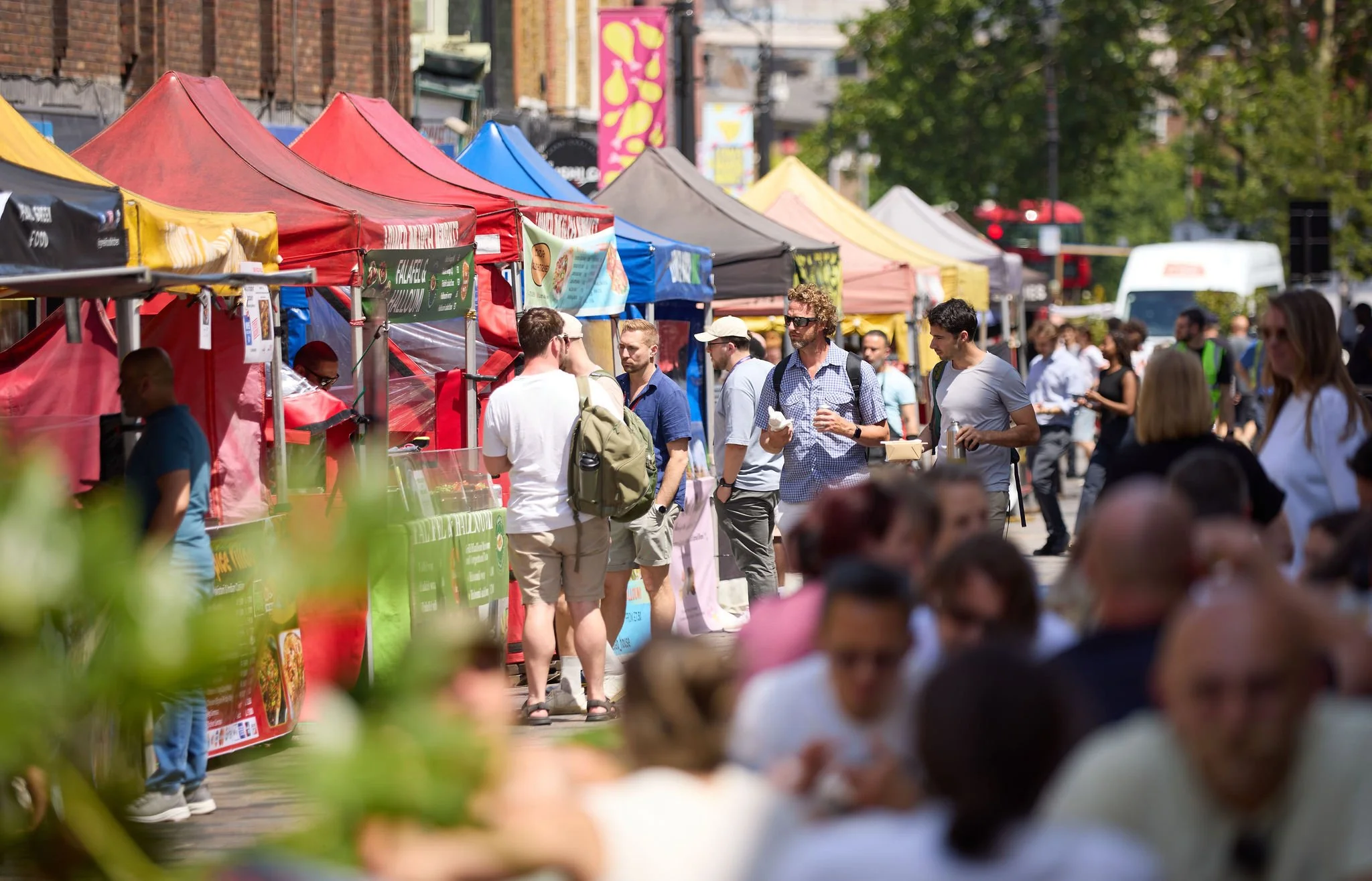
Summer at Lower Marsh Market in Waterloo (WeAreWaterloo & Ollie Rudkin / Free Skate Productions)
Over the past month, we’ve been working alongside WeAreWaterloo—Waterloo’s Business Improvement District—to shape a fresh proposition for a weekend market at Lower Marsh. Between chatting with local traders, surveying residents, and exploring what future visitors want, I’ve found myself diving headfirst into the world of London street markets: unpicking how they operate, what makes them tick and who they truly serve.
It’s no secret that street markets are stitched into the very fabric of London’s history. From the 800-year legacy of Smithfield to the medieval roots of Brick Lane and Greenwich in the 12th century, pop-up commerce has always powered the capital and its hungry inhabitants. Historically, markets served as essential hubs for new arrivals seeking specialised goods, bargain hunters looking for alternatives to traditional shops, or budding entrepreneurs testing new concepts with minimal risk under an archway or in a bustling square.
Fast-forward to today and London’s market scene is thriving. With roughly 220 active street markets—nearly a 25% increase since the turn of the century—each site offers a plethora of reasons to visit. You’ll find viral, camera-ready dishes at Borough Market, incredible culinary diversity at Dalston’s Ridley Road Market, vintage books along the South Bank and beautiful seasonal blooms at Columbia Road. Beyond charm, the capital’s street markets represent big business, making a substantial contribution to the UK’s £860.2 million street food industry.
Yet a market’s identity is defined by far more than its wares. As Sonia Barber notes in her charming and beautifully shot “opinionated” guide, London Markets, every market is “its own cultural space, with its own character, rules and rhythm.” In essence, each market acts as a microcosm of its surrounding neighborhood. To truly understand a local area, there’s no better starting point than its street market. As the Mayor of London’s Understanding London Markets report highlights, markets inject distinct character into the city fabric and foster a genuine sense of community belonging.
Street markets also possess a unique agility to transform underutilised urban spaces. From Mercato Mayfair’s grand church conversion to Deptford Market Yard’s reactivation of railway arches, markets don't just reflect communities—they revitalise them, generating fresh opportunities for residents and independent business owners alike.
Understanding the tourism landscape
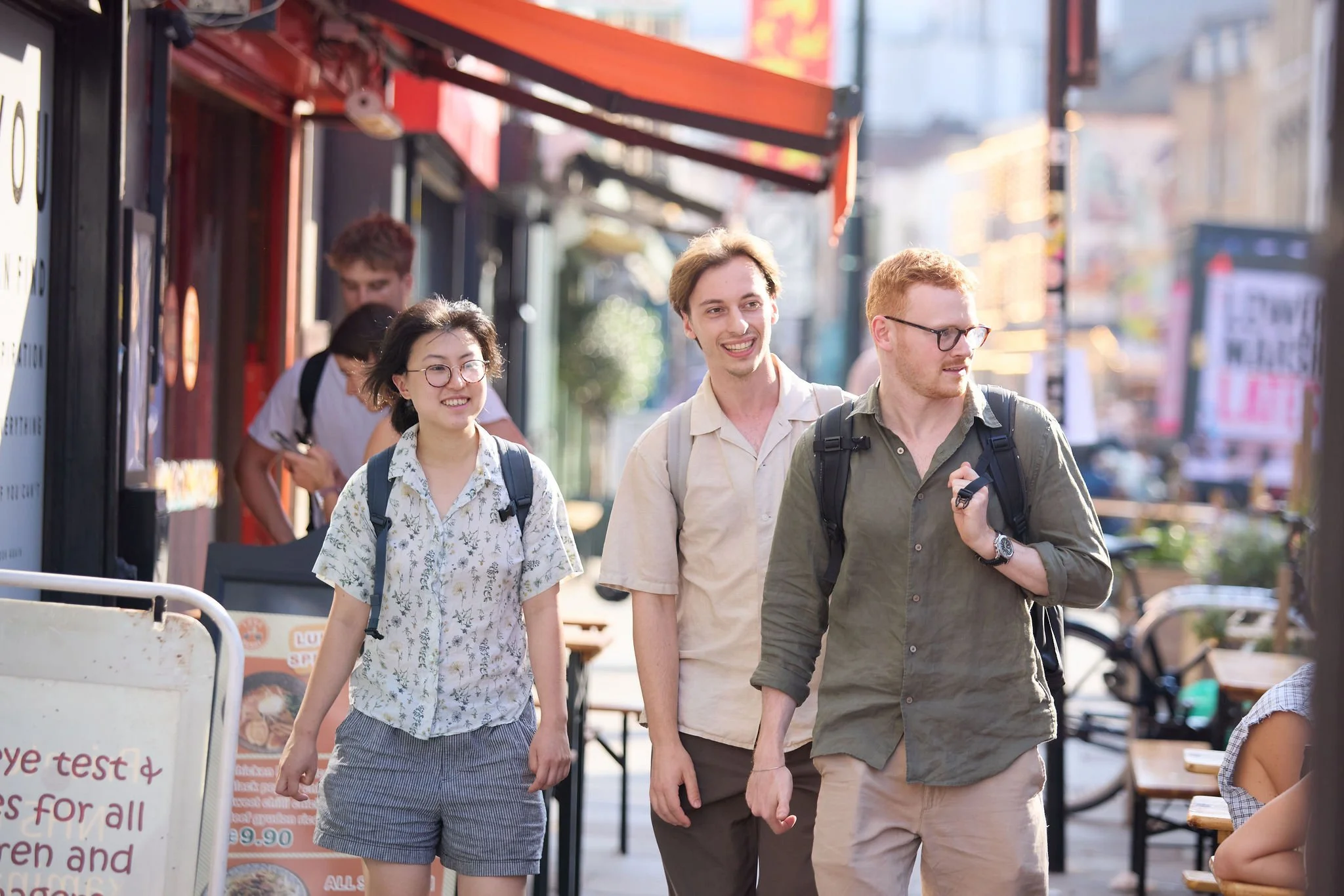
Some visitors to Lower Marsh Market in Waterloo (WeAreWaterloo & Ollie Rudkin / Free Skate Productions)
Given their ubiquity and heritage, street markets are already key highlights on tourist itineraries. Flagship locations like Borough, Camden Lock, Columbia Road, and Portobello stand as iconic destinations that generate significant footfall for neighbouring shops and restaurants. However, a huge opportunity remains for emerging markets to position themselves within London’s booming tourism sector.
According to VisitBritain research, 55% of inbound tourists sample local street food during their trip (representing 20.7 million visits across the UK), with market food tours ranking among the top aspirational activities. At the same time, London & Partners reports a growing consumer preference for "moment-driven" experiences, such as immersive dining, pop-up events and neighborhood exploration over traditional holiday purchases.
This appetite for authenticity is especially strong among European city-breakers seeking contemporary culture, artisan goods and off-the-beaten-track discoveries. Travellers who venture beyond Central London into vibrant hubs like Shoreditch, Battersea, Greenwich and Peckham consistently report higher satisfaction levels with their overall trip, according to research.
There is also a prime opportunity to capture younger travelers through digital word-of-mouth. Skyscanner’s Travel Trends reveals that over 60% of Gen Z travelers plan daily itineraries around trending social food items—a driver that consistently powers massive footfall at Borough, Seven Dials and Greenwich Markets, to name a few.
The market as an international tourism offer
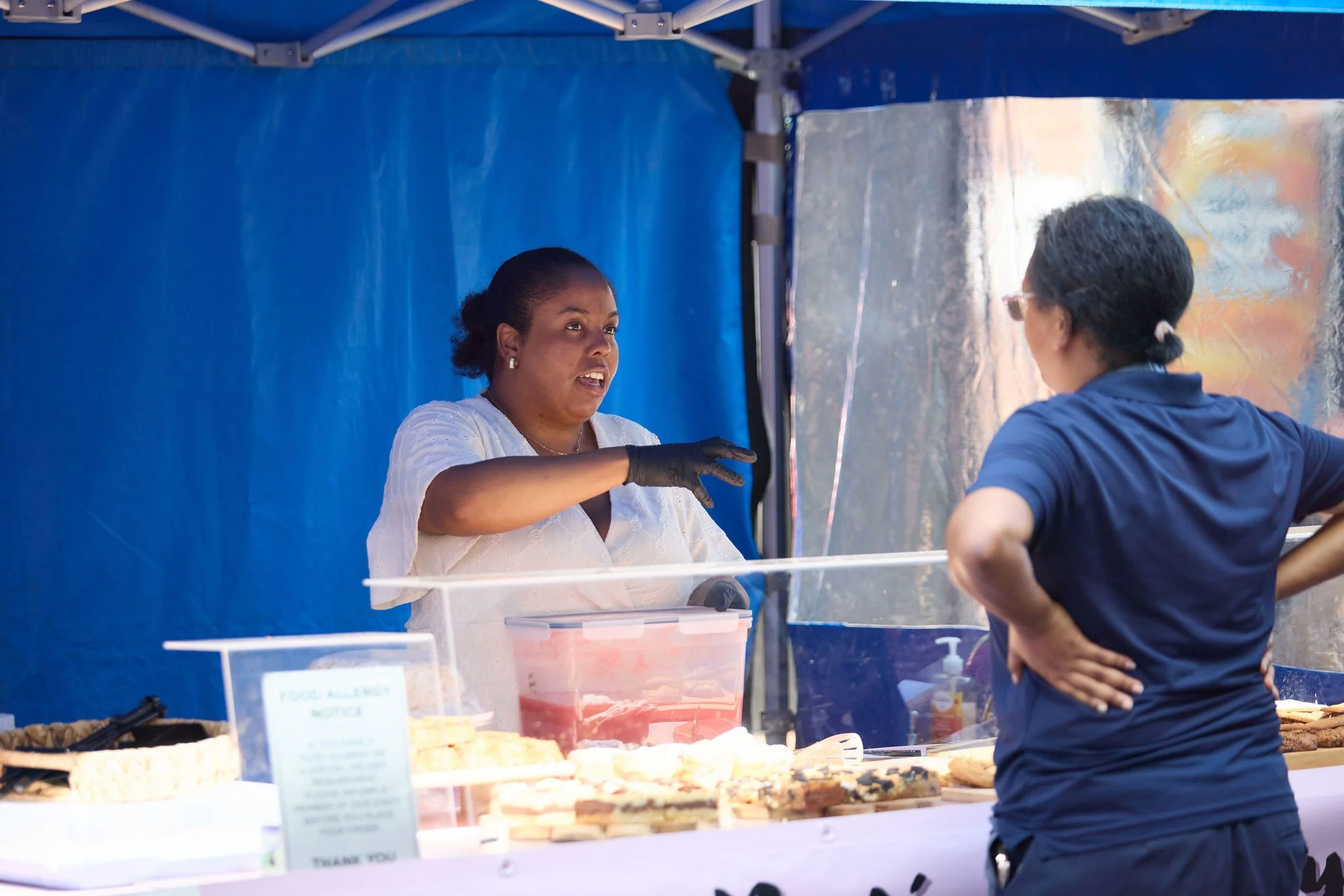
A vendor at Lower Marsh Market (WeAreWaterloo & Ollie Rudkin / Free Skate Productions)
London’s street markets stand at an exciting crossroads. As authentic expressions of local neighborhood identity, accessible hubs for diverse culinary flavors and inviting gateways to explore off-the-beaten-track destinations, London street markets offer an unrivaled visitor experience. Now is the time for them to tap into this potential and reap the benefits of increased international visitors.