
Valuing Seaside Heritage: symposium reflections
Last week I escaped the heatwave and headed to the coast. I wasn't heading to the coast for a sea breeze, a swim or fish and chips. Instead, I was travelling to Sussex for the Valuing Seaside Heritage Symposium organised by Seaside Heritage Network, Historic Buildings & Places and Heritage Network.
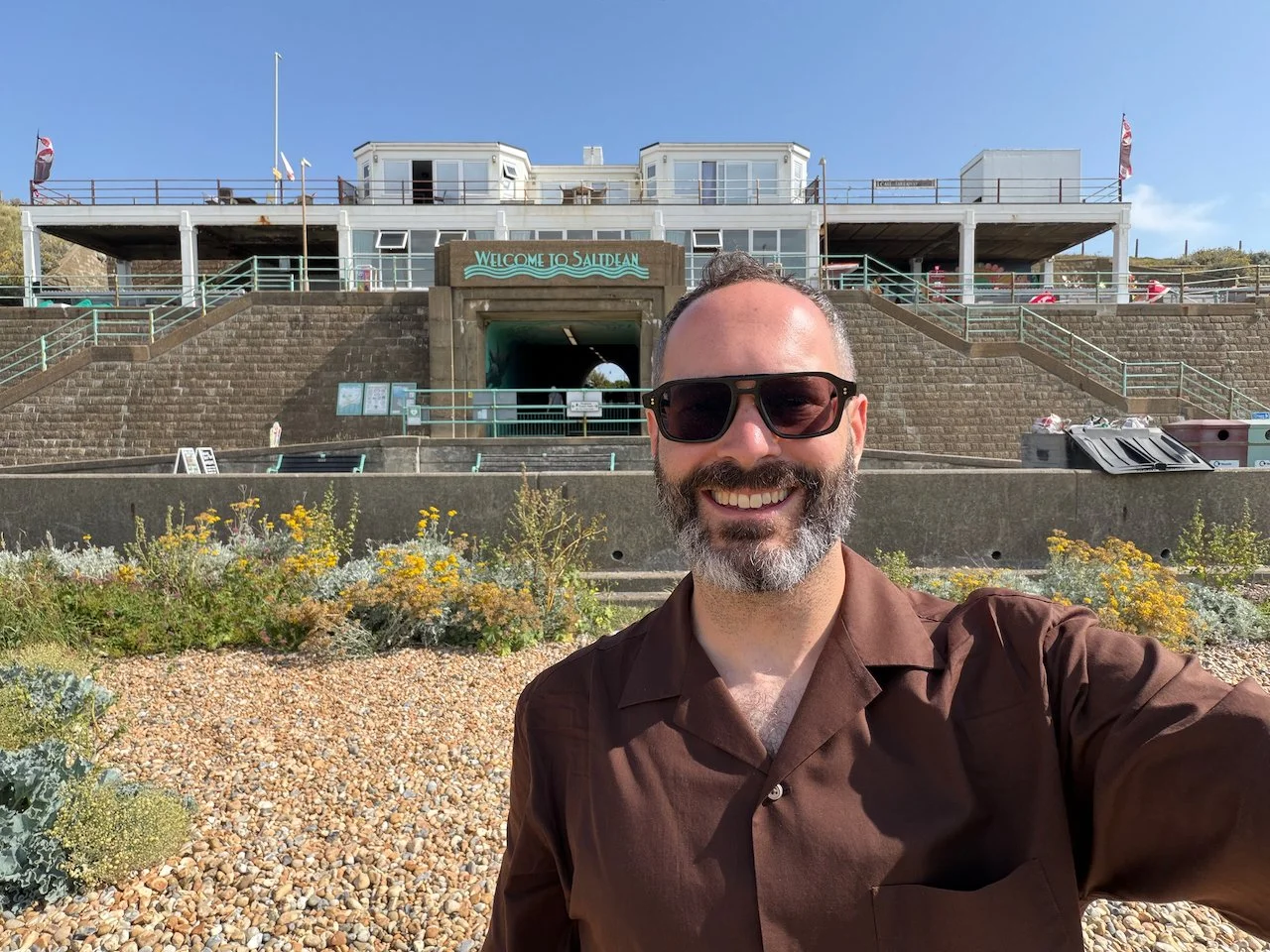
The symposium took place at Saltdean Lido, a few miles east of Brighton. The wonderfully art deco Saltdean Lido is a place I’ve visited numerous times to swim so I’m thrilled to see it thrive. The café, public library and, of course, pool were humming with the noise of people enjoying this wonderful piece of seaside heritage. More on Saltdean Lido later.
Defining seaside heritage
Author, and Seaside Heritage Network Chair, Kathryn Ferry, opened the day by asking what is seaside heritage?
I’ll admit that even as a proud seasider myself (I come from Southend-on-Sea) I’ve never given much thought to the question of what defines the seaside as opposed to the coast. Unlike the coast, which can be defined geographically, the seaside is defined in terms of leisure.
History of the English seaside
According to Kathryn Ferry, industrial towns and cities were the places our ancestors worked and seaside resorts were the places our ancestors escaped to. Or in my case, the place my ancestors moved to from London’s East End in search of a better life. Whereas East Londoners like my great grandparents escaped to Southend, South Londoners escaped to Brighton and Margate. People from Manchester escaped to Blackpool. Sheffield to Cleethorpes. Bristol to Cleethorpes, and there are various other examples too from across the country. Before the phenomenon of working class people enjoying a day trip to the seaside, the trend to be beside the seaside was started by the leisured classes and Kathryn Ferry mentions this in more detail in this episode of History Extra.
Heritage success stories
What’s stuck with me most in the days since the symposium is the evidence session towards the end of the day during which success stories were presented by The Cleethorpes Promenados, Ramsgate Heritage Lab, Clevedon Pier and Saltdean Lido itself.
Most powerful was the Saltdean Lido presentation by Chair Derek Leaver. Derek talked about the fights to save the lido in the 1930s, 1950s and 2010s. By the sounds of it there really was fight after fight to transform Saltdean Lido into the community hub it is today.
As a result of the most recent fight for survival in the 2010s, a volunteer-led campaign secured a 60-year lease from the council. Today not only does Saltdean Lido offer its iconic 40m heated outdoor pool but also a library, cafe, restaurant, gym and versatile community spaces used for everything from youth services to yoga classes. Pools are expensive to operate making a sustainable business model absolutely critical.
I was genuinely thrilled to hear how Derek and his colleagues are working tirelessly to ensure that Saltdean Lido thrives. What makes this remarkable is that right now you hear so many stories of heritage, cultural and community assets that should succeed but for one reason or another don’t. In other instances you hear about a demonstrable need, a solid business plan and a committed team, yet things don’t go to plan. This is all too common a story. The Saltdean Lido case study raises a crucial question: is this model replicable or is its success unique in ways that mean it can’t be achieved elsewhere?
