
What Kensington and Brentford reveal about place partnership
Last week I attended two very different events across west London, the Kensington Tourism Conference and a field trip to the Golden Mile and Brentford. I grew up down the road from Brentford so this one was particularly fun to explore! Apologies to my fellow field trippers for the constant tales of my childhood growing up in the area along the way.
Kensington is, in many ways, an already very established and successful visitor destination. It is well known for its cultural institutions, hospitality offer and green spaces but it is also constantly evolving to meet changing expectations and audiences.
Brentford, on the other hand has historically been far less visible outside this corner of west London and not especially known for culture or tourism. Excitingly, that is starting to change.
What stood out to me across both events was the scale of partnership behind major place projects like these. Councils, developers, funders, hospitality groups, cultural organisations, consultants, community organisations and independent specialists all playing their part to shape how places grow and evolve over time. I’ve popped some of my reflections below:
Shaping the future of tourism in Kensington
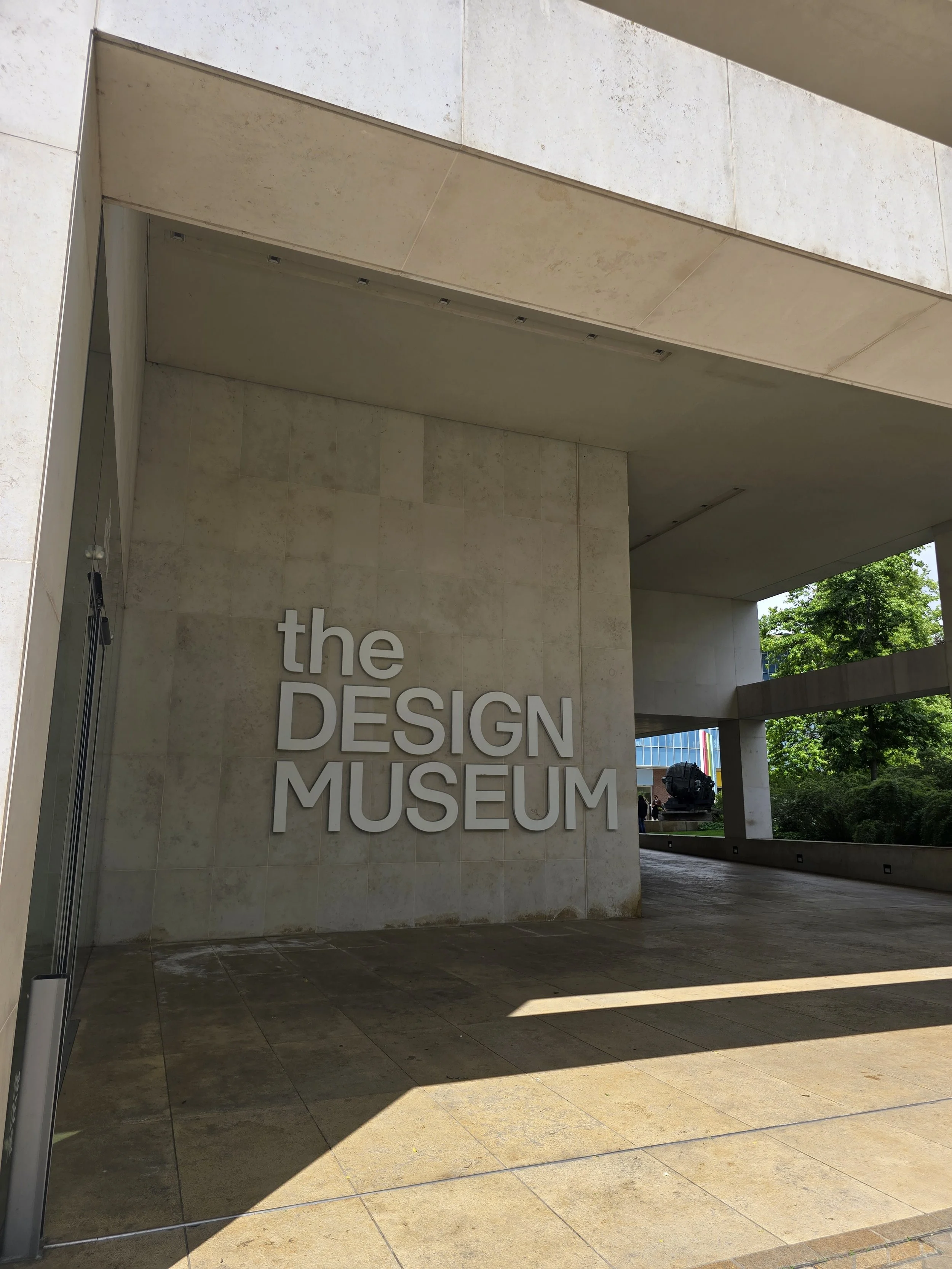
Kensington Tourism Conference held at the Design Museum
The inaugural tourism conference organised by Opportunity Kensington and South Ken Culture Quarter, and hosted at the Design Museum, brought together voices from across culture, hospitality, transport, retail and tourism to discuss Kensington’s future as a destination.
The day covered everything from changing visitor expectations and international tourism trends to public realm, climate adaptation and the experience economy. Speakers included representatives from Olympia London, London & Partners, VisitEngland and Historic Royal Palaces, alongside many others working across Kensington’s cultural and commercial landscape.
There was a clear desire for continued collaboration and more joined up thinking across the borough (and those next door). Conversations ranged from plans for a greener Kensington High Street with tangible environmental outcomes, to how Kensington Palace is putting audiences at the centre of its programming and pricing, through to wider trends around experiential tourism and changing consumer expectations.
Olympia perhaps brought many of those ideas together most clearly. Without relying on residential development or traditional retail, it is creating a destination built around events, music, hospitality and shared experiences on a massive scale. It feels designed with local communities in mind while also speaking to an international audience.
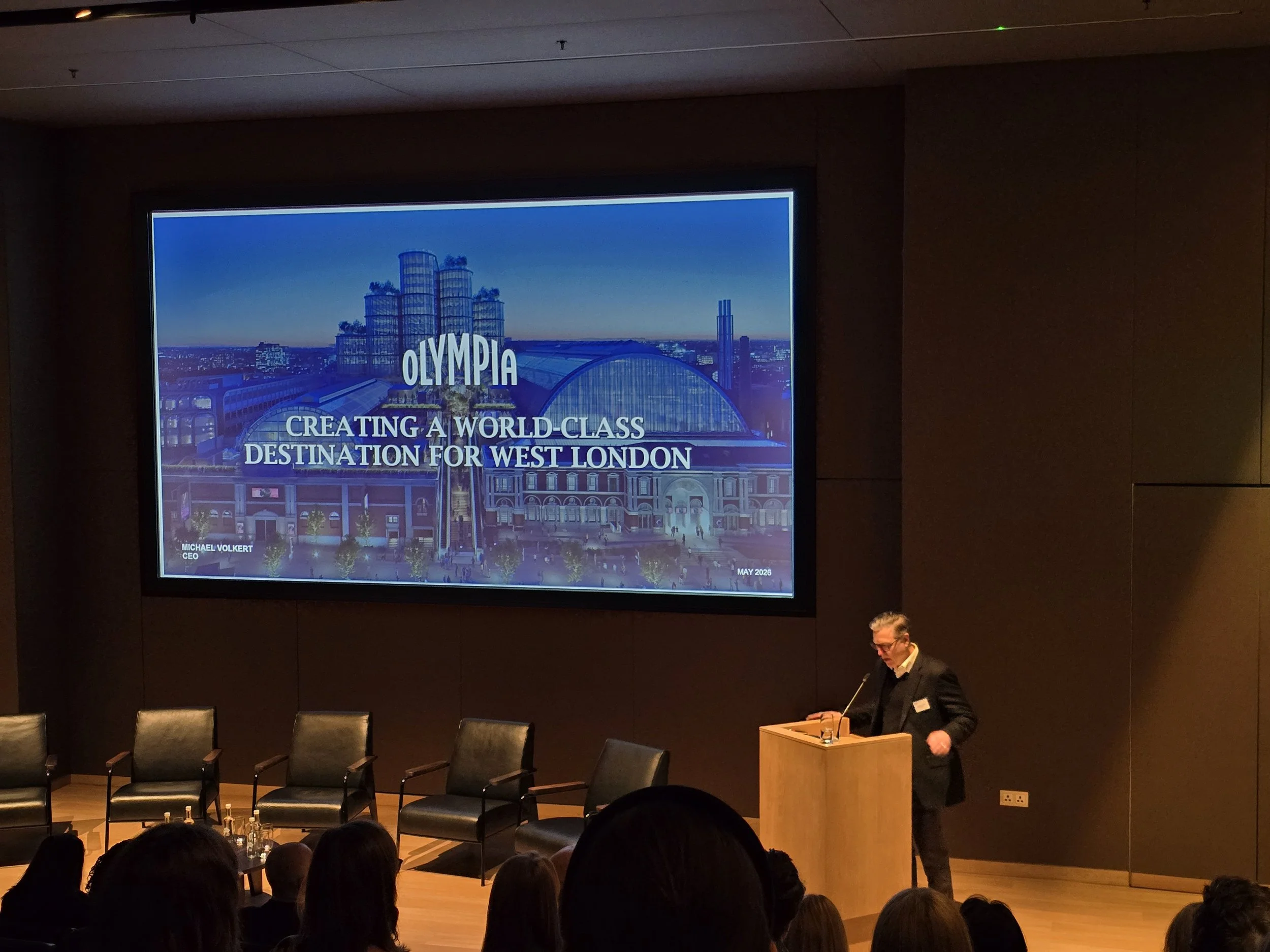
Michael Volkert, CEO of Olympia UK sharing plans about West London’s newest destination
Exploring Brentford and the Golden Mile
The next day I joined a PCUK field trip across Brentford and the Golden Mile, hosted by the London Borough of Hounslow and partners involved in shaping the area’s future.
The afternoon focused on the Economic and Spatial Vision for the Golden Mile, led by Augarde & Partners alongside Urban Movement and partners. The ambition is to evolve the area from an industrial corridor into a leading creative technology district building on the fact that around half of London’s media production already happens there.
We started at the iconic Gillette Corner, currently used for production and with plans to become a larger studio and media campus in the future. Further down the road we visited the former GSK headquarters, now owned by Hadley Property Group. Hearing about the plans for the site was fascinating, particularly the focus on opening it up more widely to local communities while retaining and reusing as much material and commissioned artwork as possible.
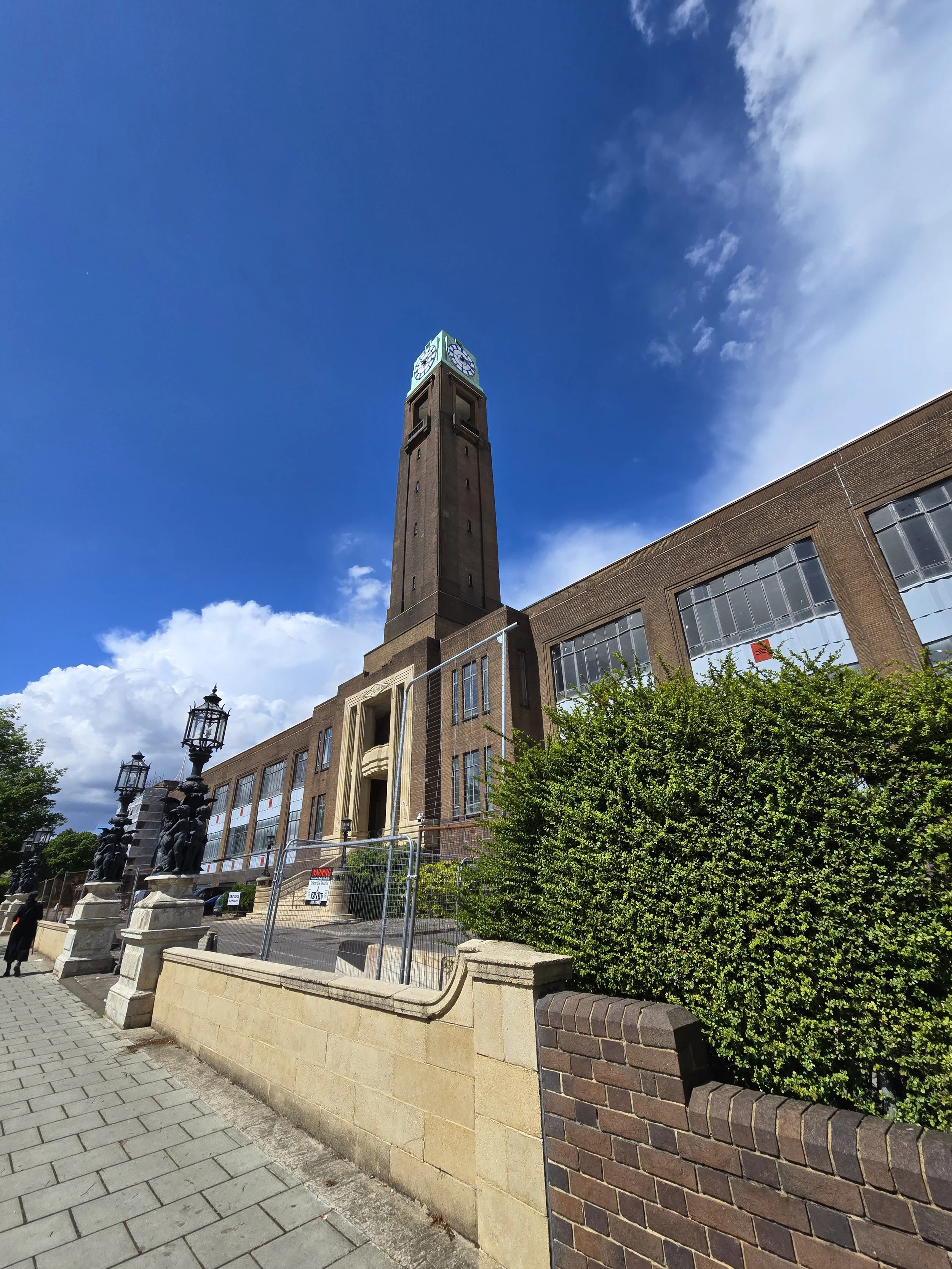
Gillette Corner, site of future major studio and production space in Brentford
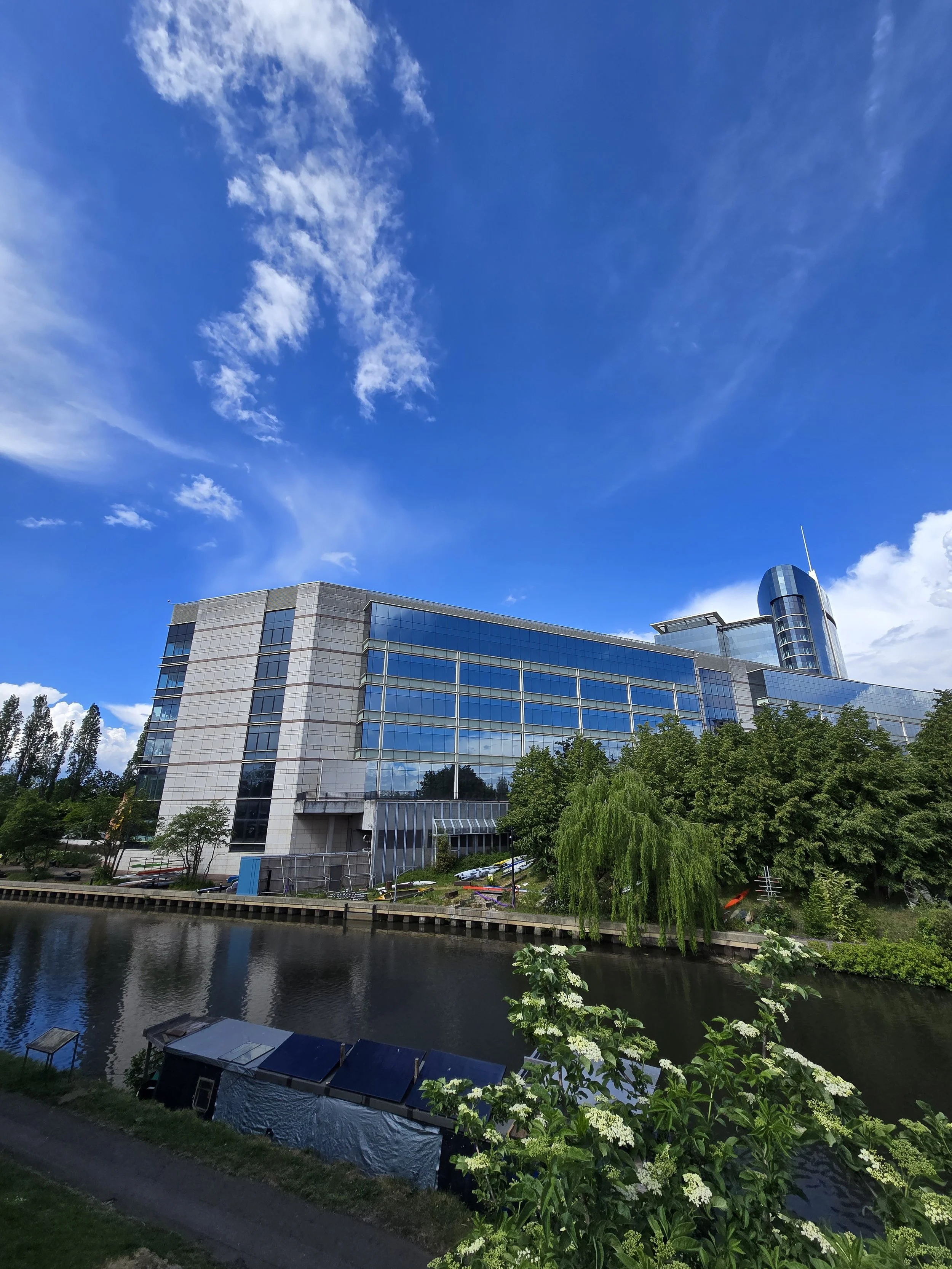
Former GlaxoSmithKline HQ in Brentford now owned by Hadley Property Group
Walking through Brentford over the course of nearly three hours really brought the scale of collaboration into focus. Hounslow Council is clearly thinking long term about how to build on the area’s strengths for existing residents while also attracting new business, investment and visitors. That means working closely with developers, infrastructure partners, local organisations and businesses on everything from transport and housing to public space and cultural programming.
It was also great to hear from Brentford Voice about community-led projects including the Bee Line and the upcoming Canal Festival, which highlighted the importance of local participation alongside large scale development.
We ended the day at the Brentford Project, where Ballymore shared how these ambitions are beginning to take physical form through new homes, retail and public spaces that connect back to Brentford’s history and canal-side setting.
Across my outings, these were my three main takeaways:
Great places are built through long term collaboration: What came through strongly at both events was how many different organisations and individuals are involved in shaping places over time. The most successful projects seem to happen where councils, developers, cultural organisations, local groups and businesses are aligned around a shared direction even if their individual priorities differ.
Identity and experience matter as much as infrastructure: Whether it was Kensington thinking about visitor experience and public realm or Brentford positioning itself as a future creative technology district, both places are focused on how people feel in and connect with a place. Transport, housing and investment are essential but so is creating a clear sense of identity and purpose.
Local communities need to be part of the story: One of the most interesting connecting threads was the recognition that places cannot be shaped in isolation. From Kensington’s focus on audiences and accessibility to Brentford Voice’s community-led work, there was a clear understanding that long term success depends on involving local people alongside large scale investment and development.