How to structure an away day
This afternoon I’m putting the finishing touches to an away day I’m facilitating next week for the trustees of a Central London museum. Taking place offsite in leafy Greenwich, the purpose of the day is for the trustees to think long-term about strategy ahead of the Arts Council England National Portfolio Organisation application process.
When I’m planning an away day, offsite or workshop the first thing I do is to think about the structure. Almost always I find myself applying John Whitmore’s GROW framework. GROW, which stands for goal, reality, options and will is commonly used in one-to-one coaching. In my mind, GROW provides the perfect structure for any session that looks to the future.
At its simplest, GROW is about thinking about the future, then thinking about the present and then thinking about how to get from here to there before committing to actions.
In a very broad sense, here’s how I use GROW to structure an away day, with a few suggested exercises thrown in for good measure.
Goal - this can be framed in lots of different ways like “what does success look like?”, “what do we want to achieve?” or “what’s the vision?” Often I use a simple exercise where the group imagines an ideal newspaper headline (or nowadays, social media post) from a year three or five years in the future.
Reality - very simply this is about understanding and articulating the here and now. My favourite way to do this is through an adapted version of the Sailboat Retro. In this exercise the group uses the metaphor of a sailboat to articulate what’s putting the wind in the sails of the organisation, team or project and what’s anchoring it down on its journey to the goal, in the form of the island.
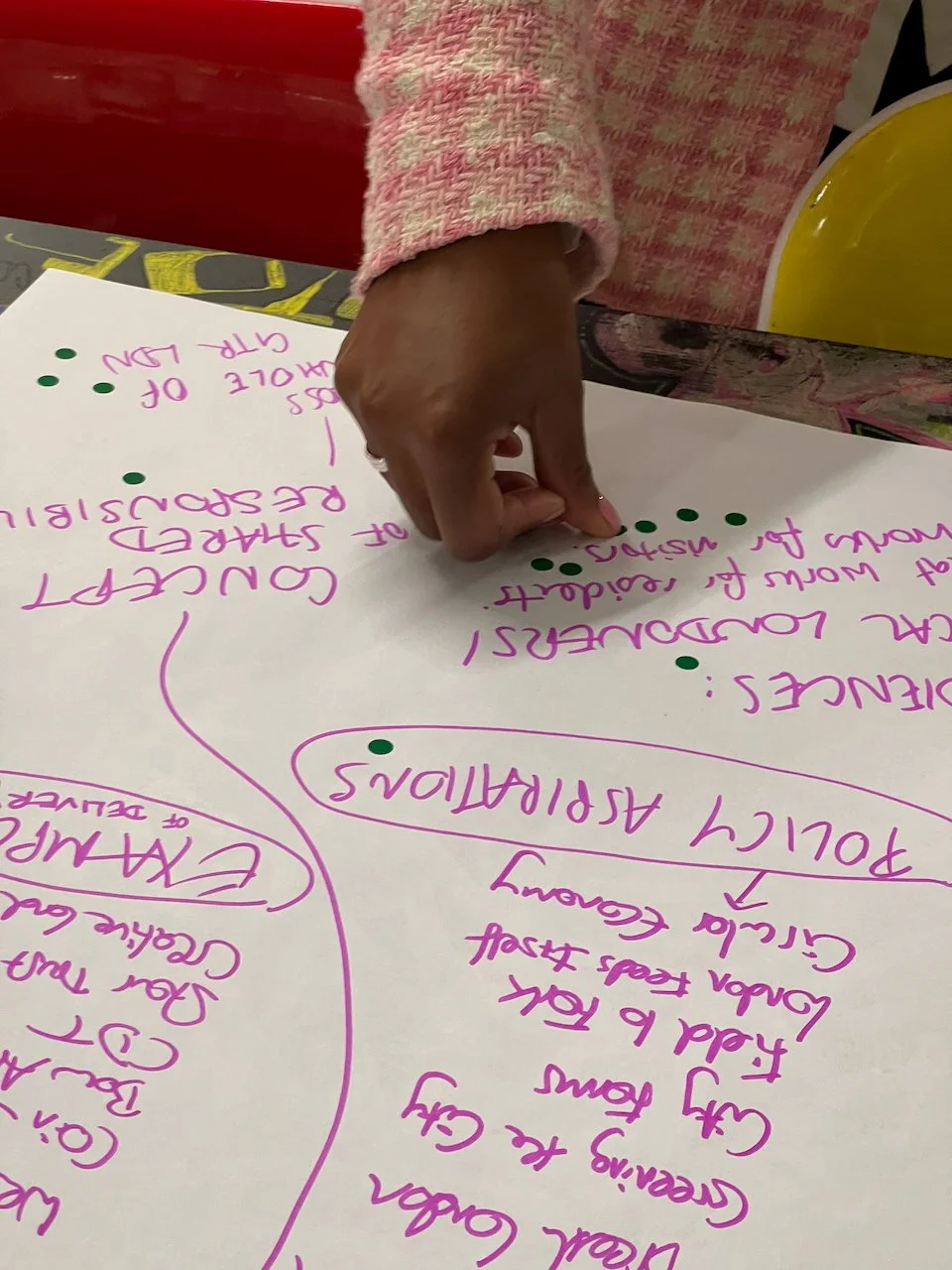
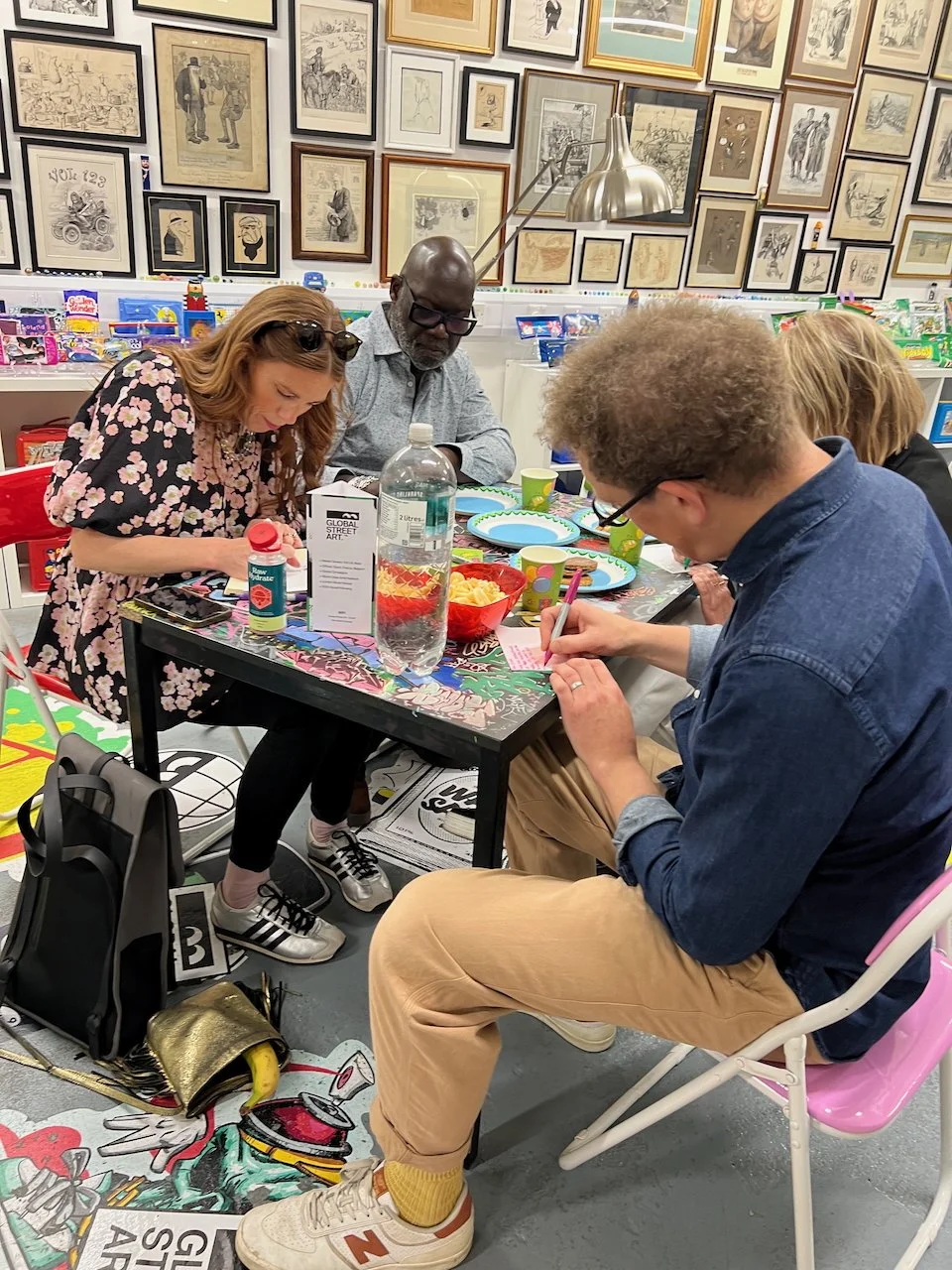
Options - this topic lends itself well to an open discussion with the caveat that I almost never use shout out loud style brainstorming as a technique. Instead I might ask the group to take five minutes to each silently write down three ideas, each on a separate sticky note. Once the time is up, I go around the room and ask everybody to share one-by-one. From this point I sometimes open up into a facilitated discussion ensuring everyone has the chance to speak. Alternatively I might either use a simple sticky dot voting technique or ask the group to collectively plot their ideas on a 2x2 matrix with impact on one axis and effort on another.
Will - sessions always end with actions and commitments. In some away days, the actions and commitments have become clear throughout the day so it’s a case of reminding the group what’s been agreed and confirming that now, at the end of the day, the actions are still relevant. In other sessions I use prompts like: “what’s one small thing you can do tomorrow?” or “what are the next steps?” With some clients, I might even provide accountability through the form of a shorter follow up session a month or two later to find out what progress has been made. Importantly, however, when strategy is being discussed the action or next steps might be further investigating or consideration and reflection rather than a more tangible outcome.
The GROW framework, with its intentional flow from goal to reality to options and finally will, provides a tried and tested structure for any away day or workshop. I’ve used this with groups of all sizes from two people to 250. By deliberately guiding a group through this cycle away days are productive and end with clear next steps.