What can out-of-home advertising tell us about the visitor attractions market? I travelled the tube over February half term to find out.
First thing’s first. This exercise wasn’t very scientific. I visited a small sample of Underground and Thameslink stations: Barbican, Bethnal Green, Euston Square, Farringdon, Liverpool Street, Mill Hill Broadway, Tottenham Court Road and Woolwich. Even though I only went to a handful of stations on my travels I got a pretty decent range of inner and outer London locations featuring a number of different lines. At each station I went to as many platforms as I could.
It’s important to say I’m not a media planner by trade so I’m not going to make assumptions based on placements, although I do have some thoughts on this as well as the ad creatives.
On a related theme, my simple survey only looked at one element of the marketing mix: advertising. And a small subset of advertising too: out-of-home. I accept that surveying a broader spectrum of channels would paint a richer picture. If I repeat this exercise again, it’s something to take into account. More on that later.
In spite of all of that I’m confident there’s some interesting conclusions to be drawn from the adverts I saw around the Transport for London network.
Underserved family audience
It’s half term. The kids are off school. Many families are planning day trips. So why are there not more attraction ads targeting children and families?
One reason might be that the big hitters like the Natural History Museum and the Science Museum don’t need to promote their offer to families over half term. There’ll be queues up and down Exhibition Road anyway. Another reason, that I’ve written about before elsewhere, is that the family exhibition market is underserved by museums, galleries and attractions. I’m confident there’s an opportunity for more child-focused exhibitions and I’m often surprised organisations aren’t seizing it.
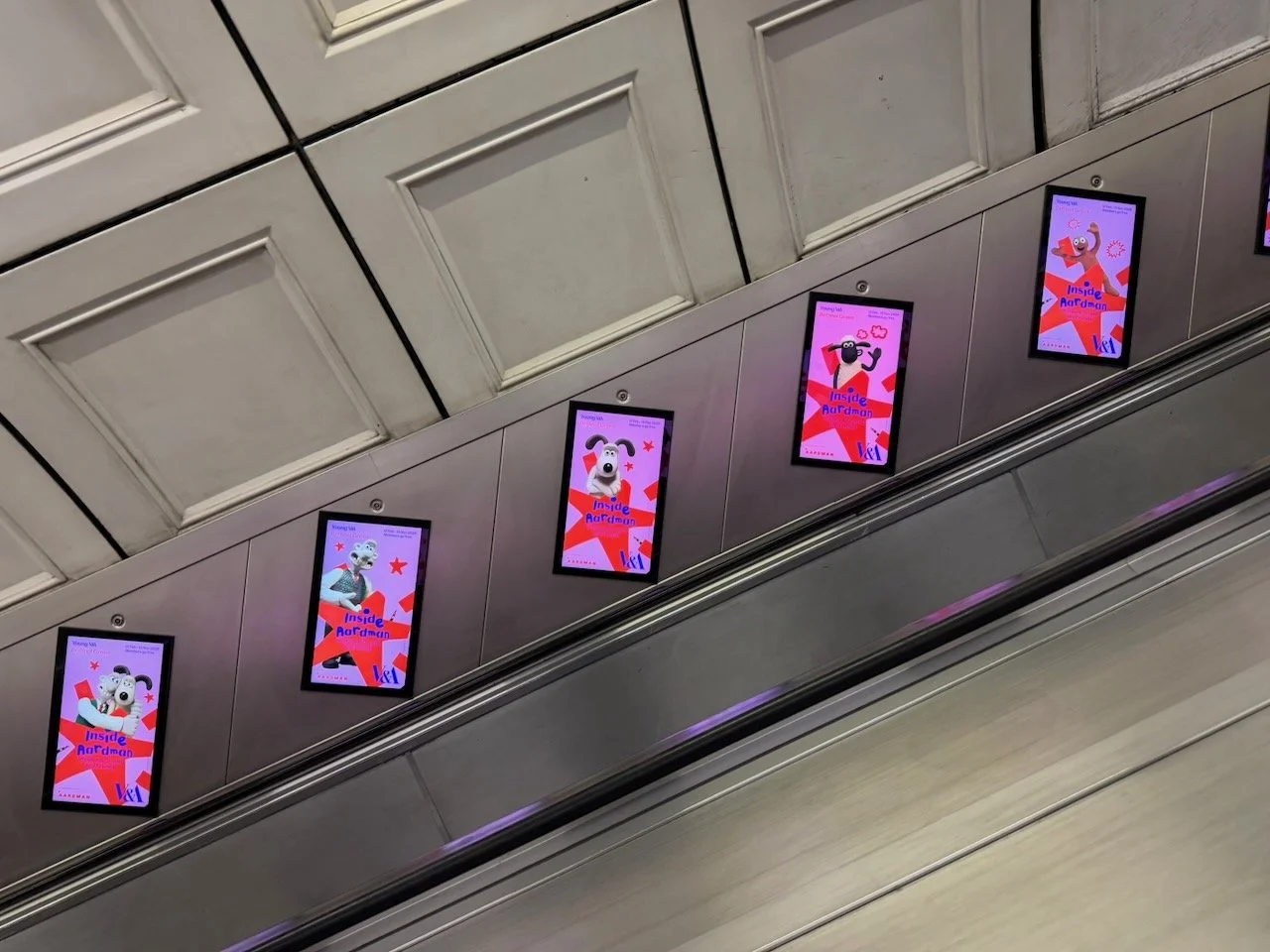
The exception is Young V&A, which launched Inside Aardman: Wallace & Gromit and Friends in time for February half term. A smart move, in my humble opinion anyway. I’m really sorry to everyone at the V&A involved in marketing the exhibition for this terrible photo of your lovely ad campaign that I took on the escalators at Liverpool Street between the Central Line and Circle Line.
Before I move on, it’s important to acknowledge that perhaps the family audience is being targeted through other channels like PR, paid social and digital display. That could be a reason I didn’t see much marketing designed to appeal to kids, parents and carers.
Dominance of West End musicals
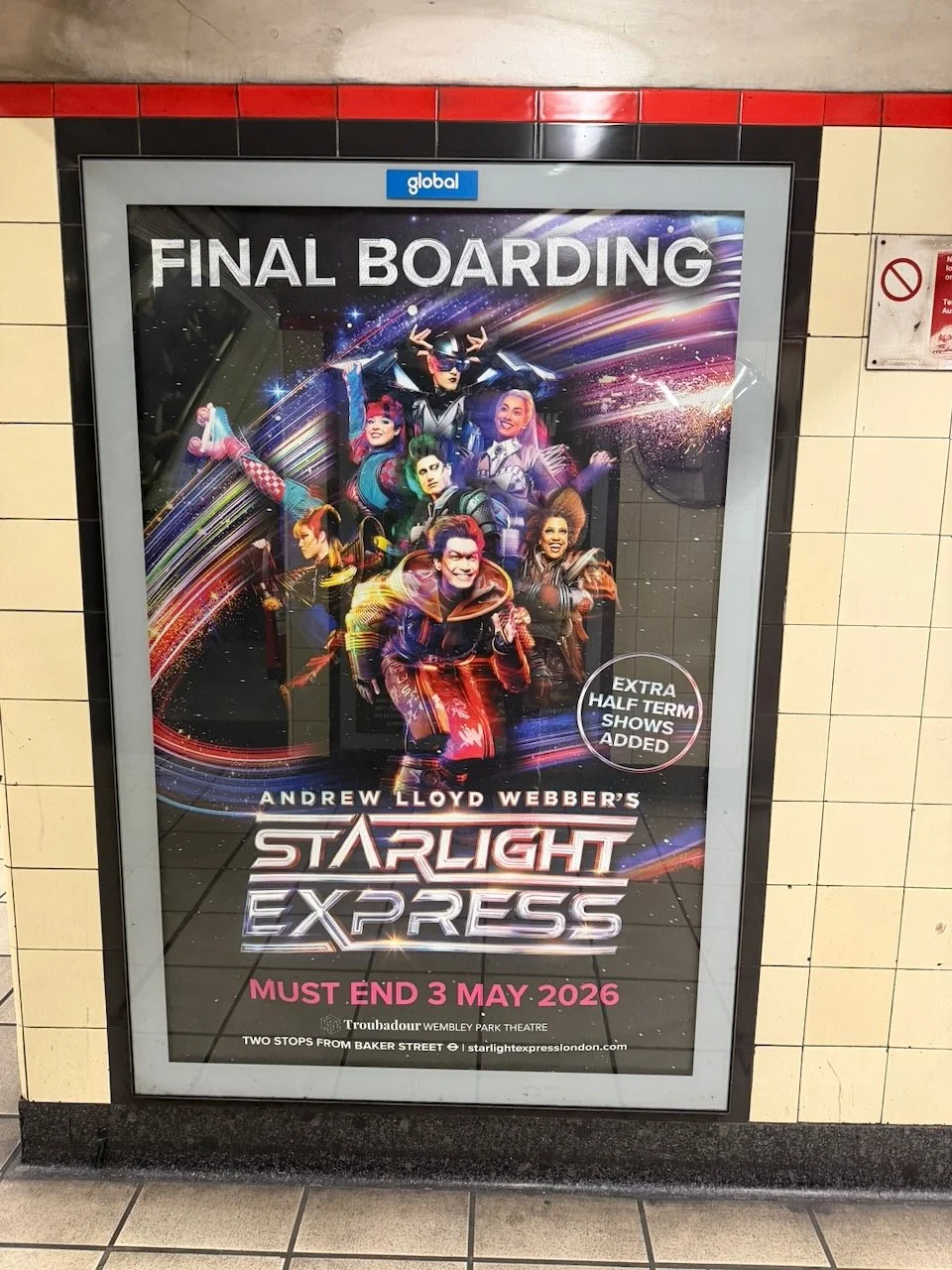
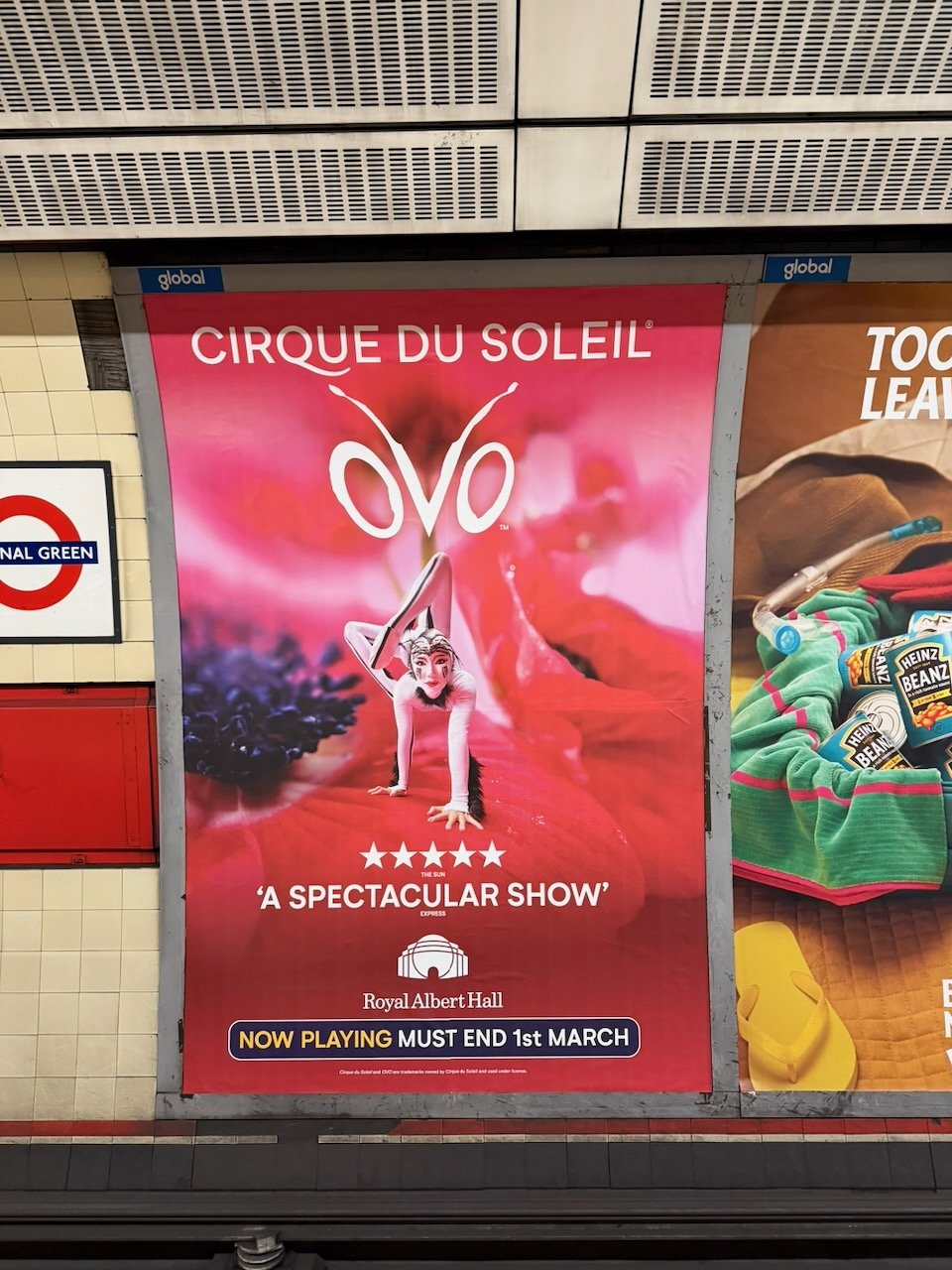
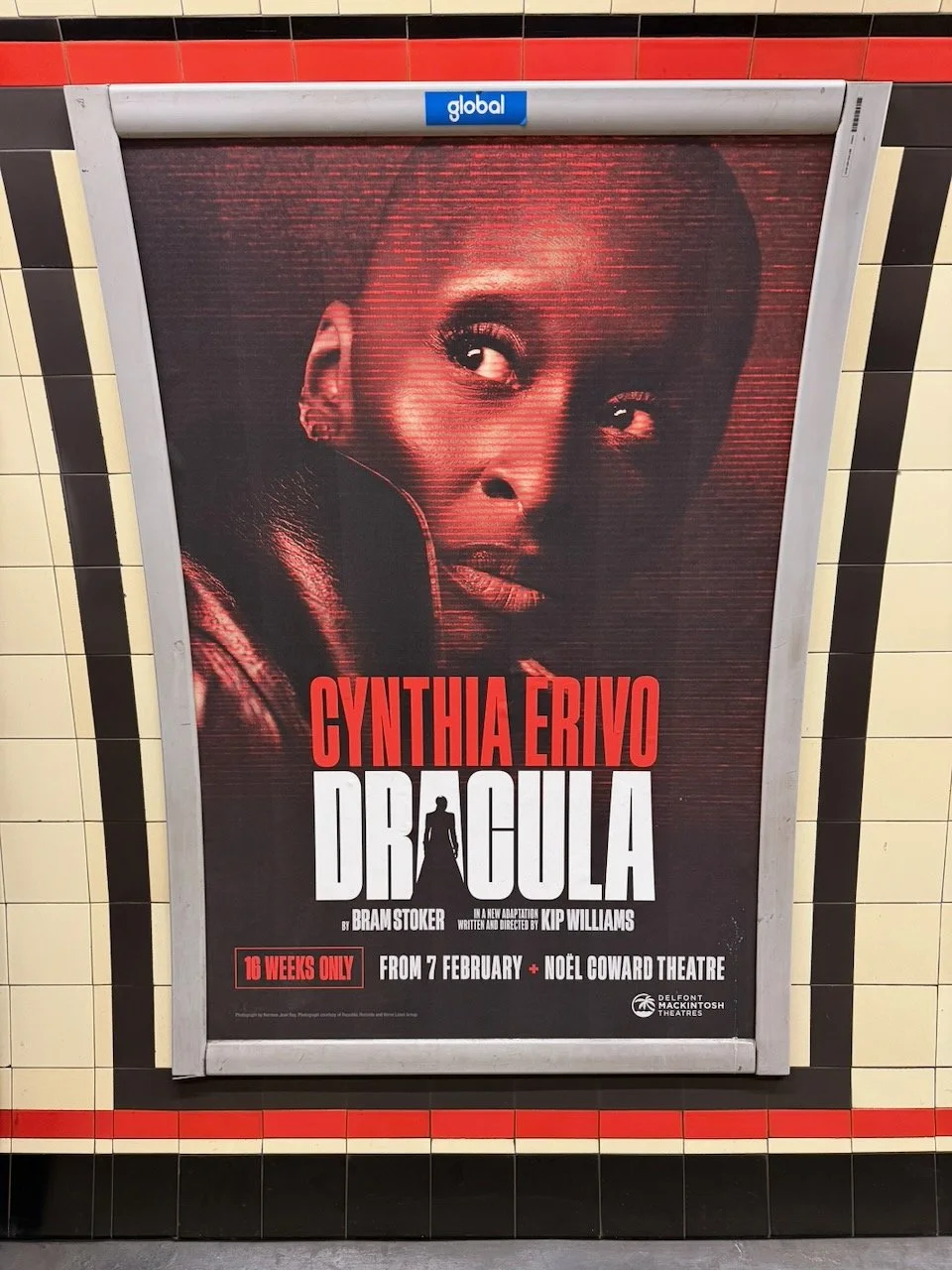
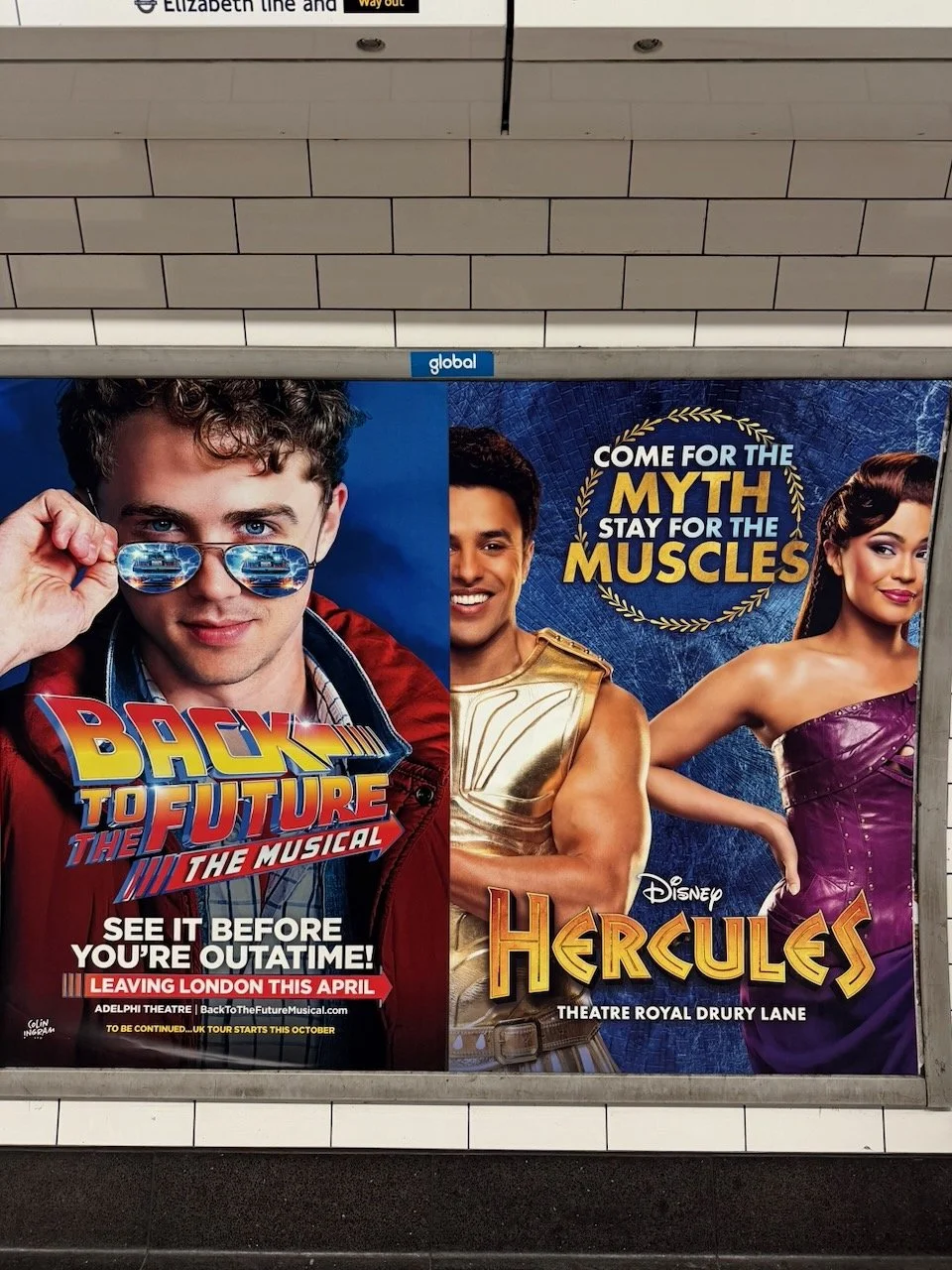
Across all the stations I visited, there was more theatre marketing than marketing for other types of attractions. If I were to guess, I’d say that West End theatres have invested more in marketing over half term than attractions, experiences, museums and galleries.
Apart from the new production of Dracula starring Cynthia Erivo, many of the adverts were for musicals with some kind of family appeal, albeit for older rather than younger children. And as you might expect the ads were for well-known, big budget shows like Back to the Future The Musical, Hercules, Starlight Express and Cirque du Soleil. Many of the excellent venues that host theatre for really little kids are outside Central London anyway.
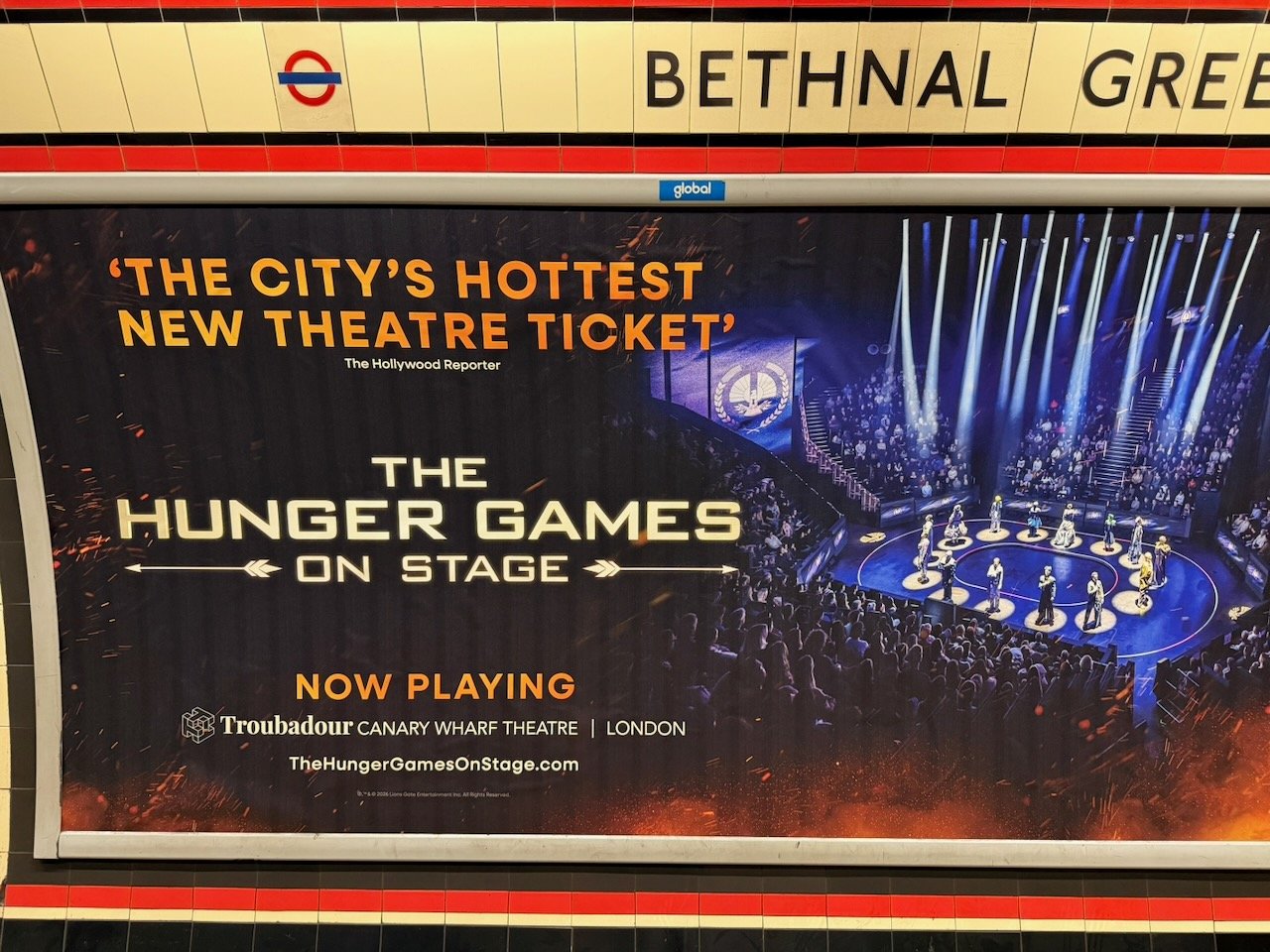
I’ll talk about the new production of The Hunger Games later when I consider new market entrants.
Sell, sell, sell
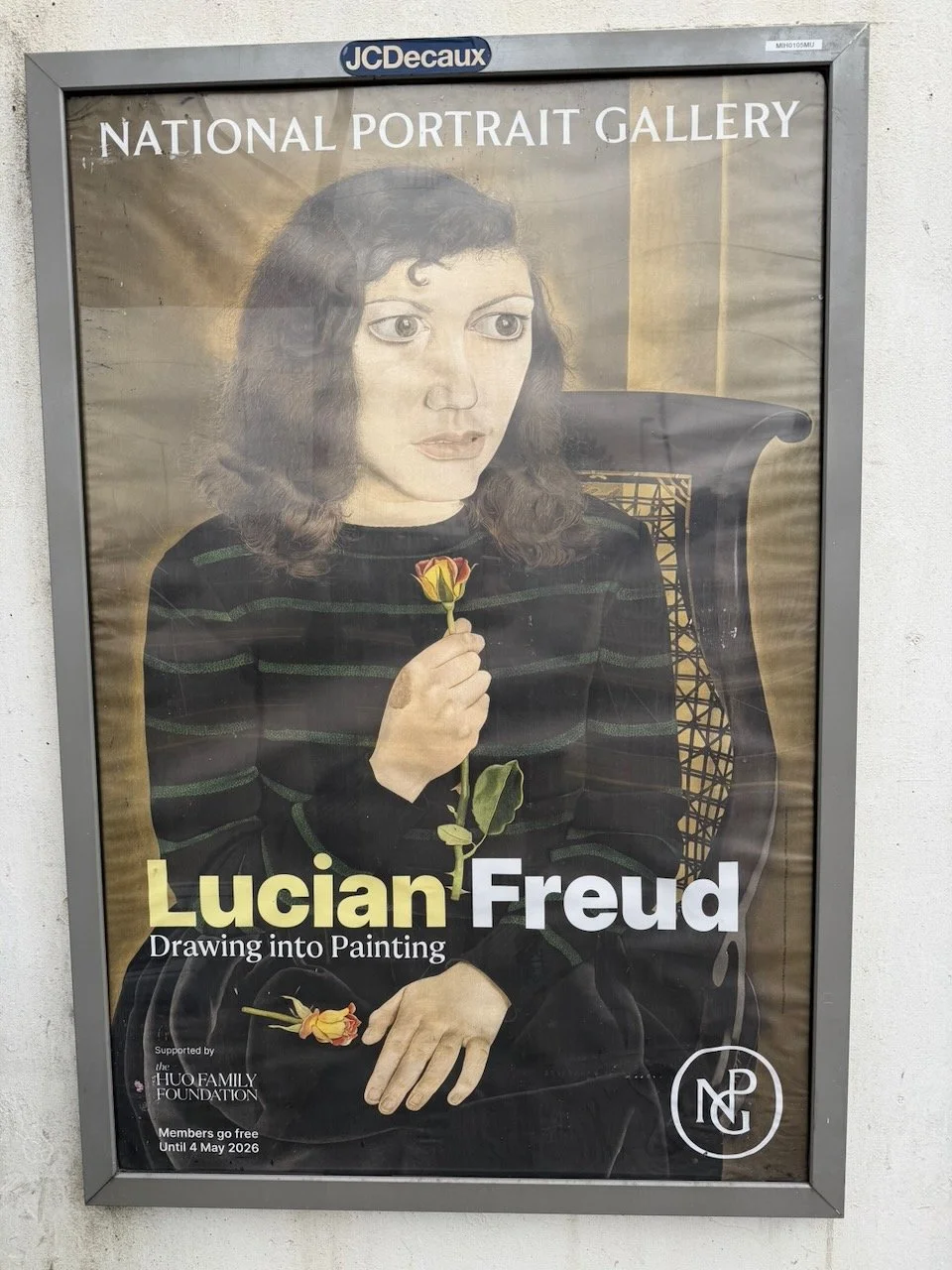
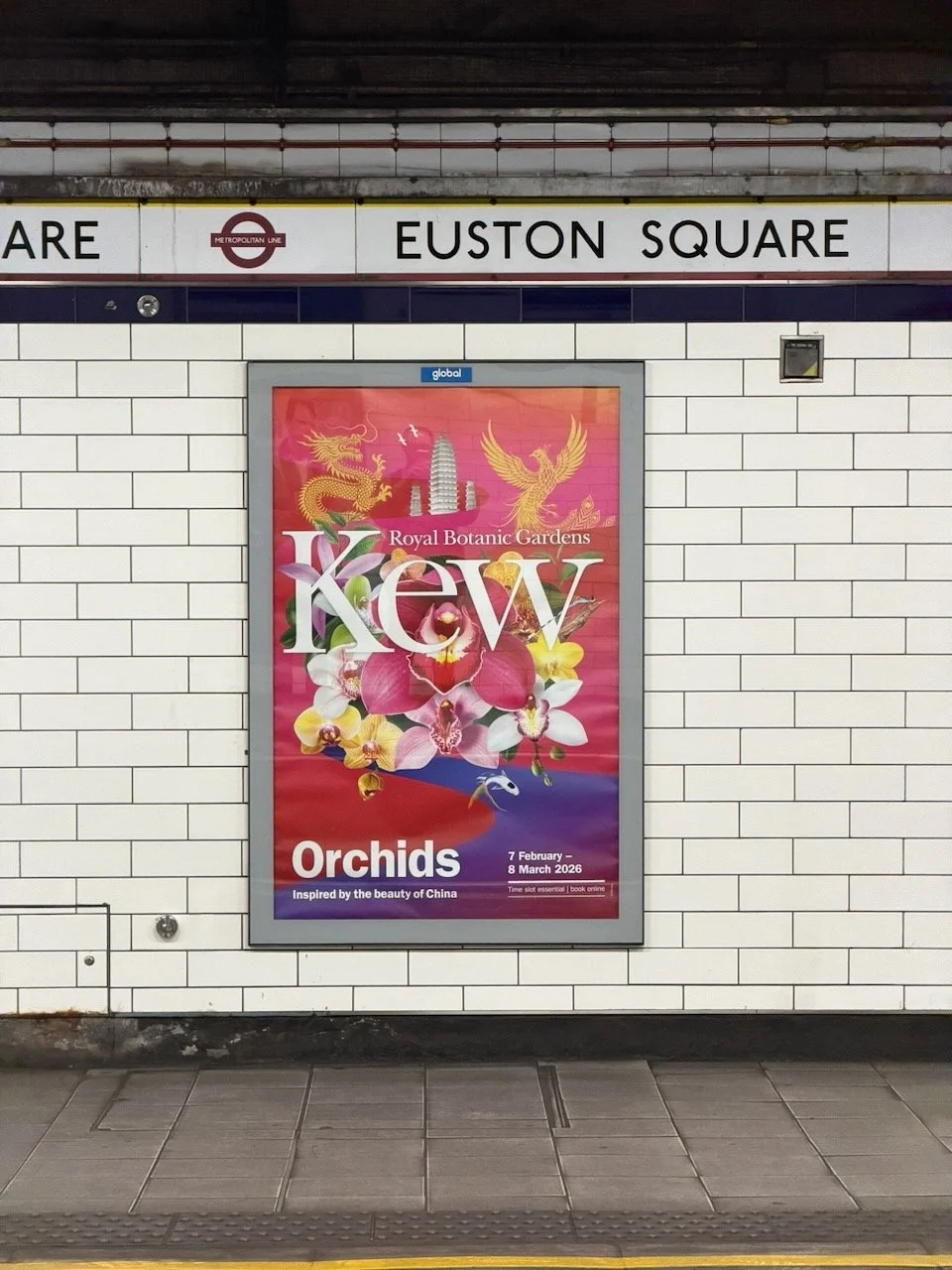
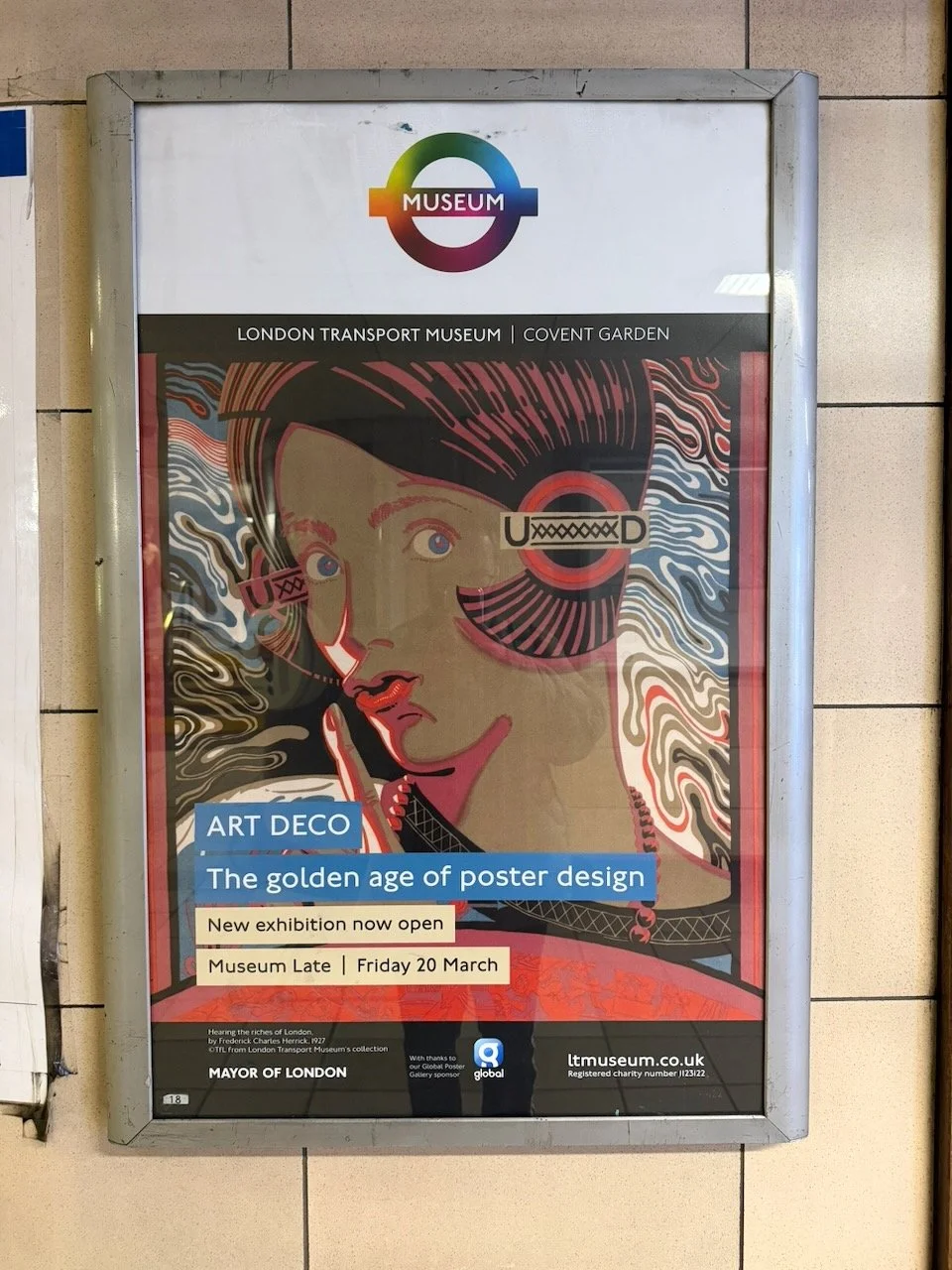
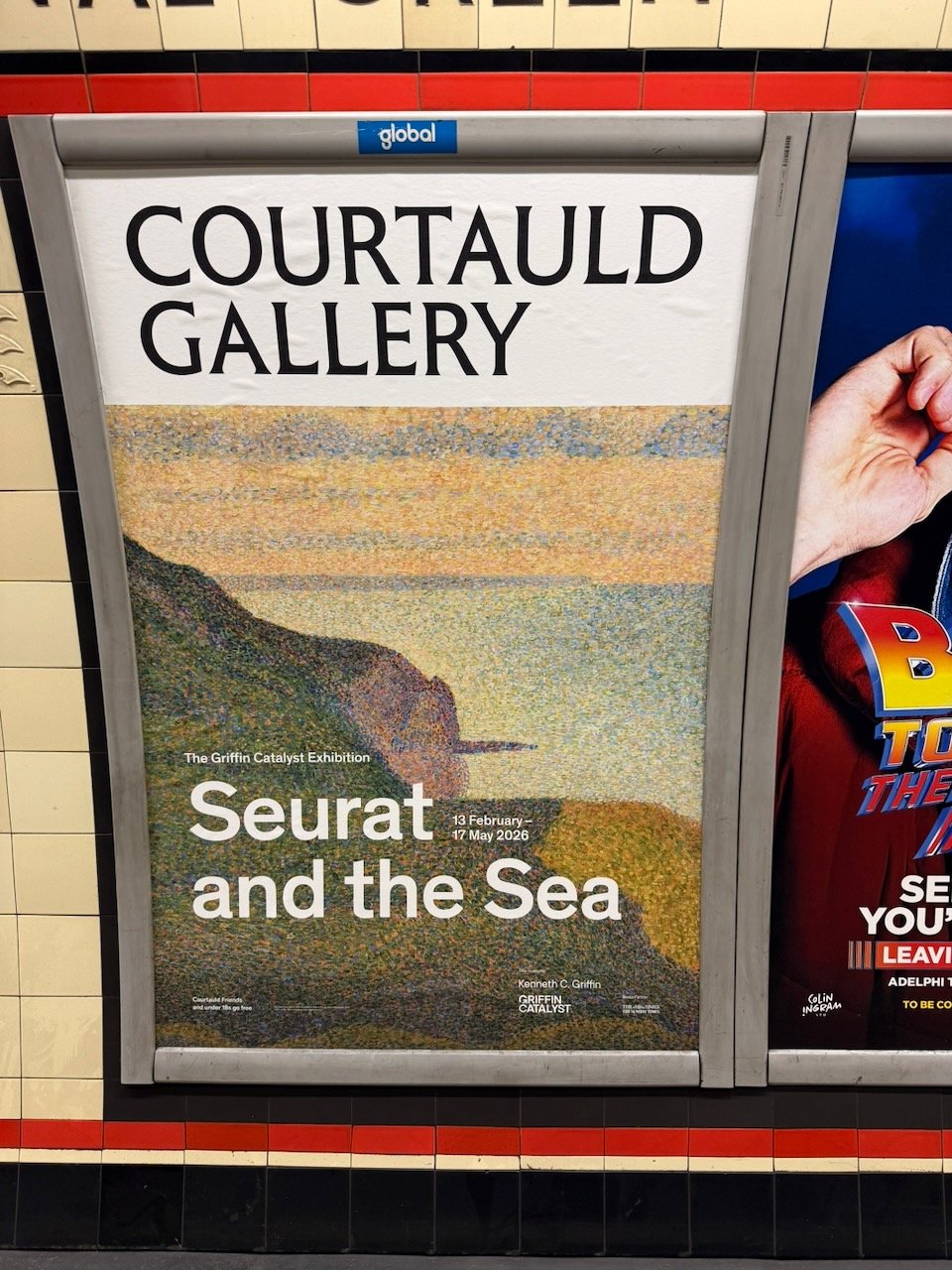
Across the board I saw very little evidence of brand advertising. Almost all of the campaigns I came across had a strong sales message. I’ve already discussed theatre, so I won’t repeat myself. Attractions appeared to be pushing ticket sales for exhibitions and experiences.
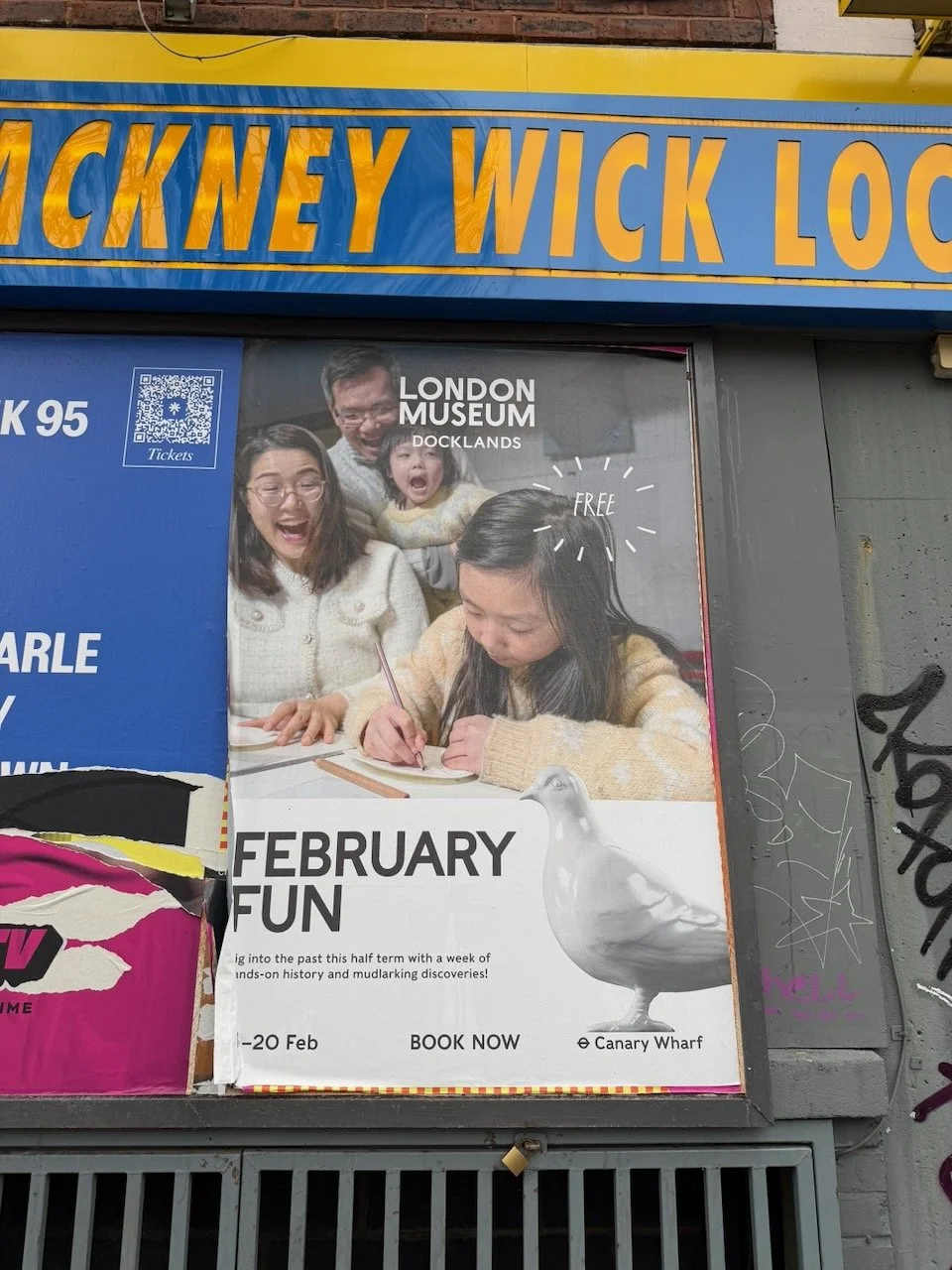
A brand campaign for London Museum Docklands was the only brand campaign I could find over half term. After exhibition ad after exhibition ad, this was a pleasant surprise. When I led marketing and comms for the Museum of London (now London Museum) research consistently told us that awareness, not interest nor desire, was the challenge. The museum’s content had such an appeal that people who know about it are highly likely to consider a visit. The same research said this was not universally true of all museums, in fact for many it is the opposite. I imagine this insight is still true and the reason why London Museum Docklands is running a brand campaign over half term.
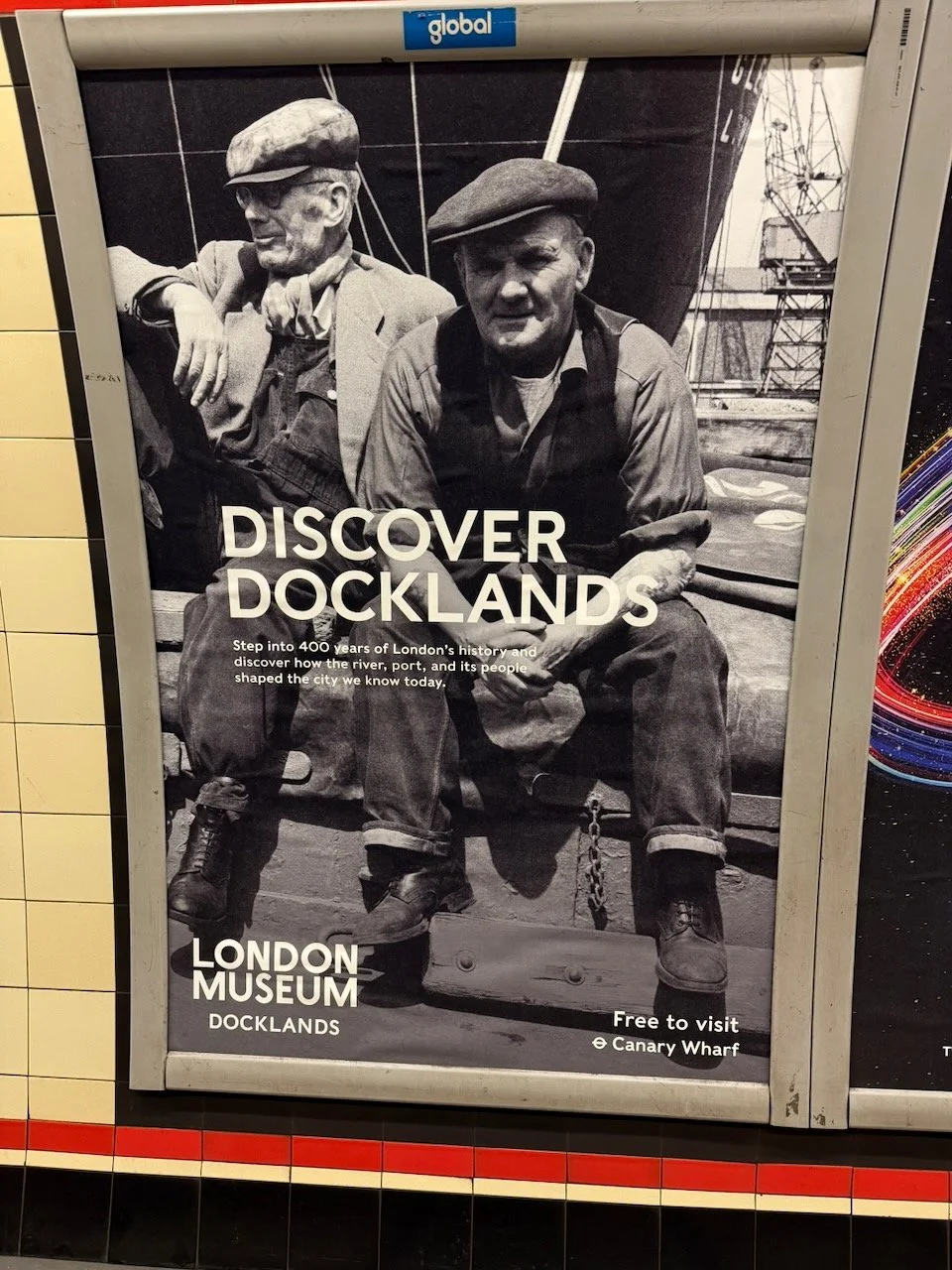
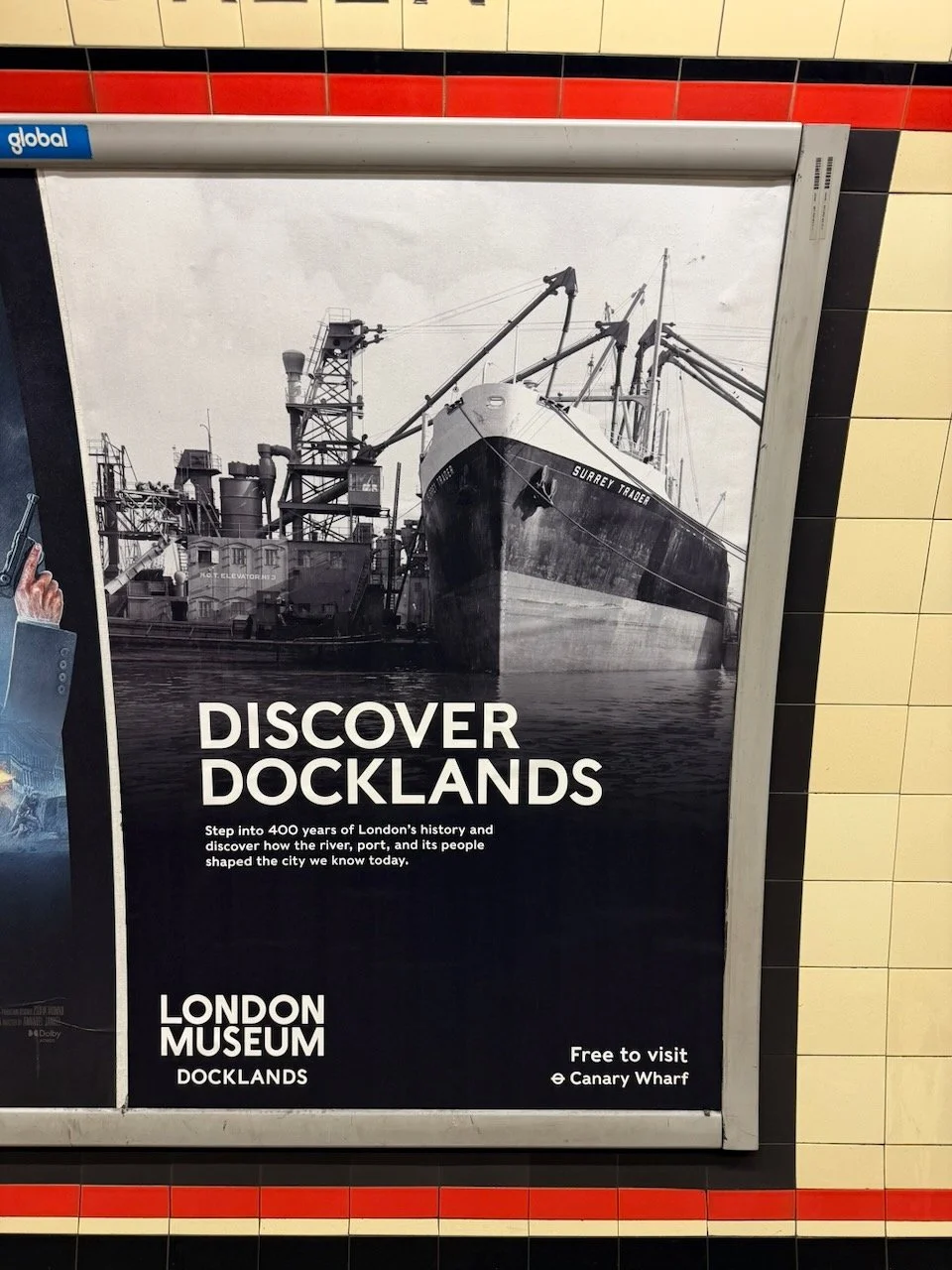
At a time when museums and galleries are facing financial struggles, the reliance on exhibition rather than brand advertising has a commercial motivation. The goal is clearly to sell exhibition tickets rather than promote a free visit to the collections. Personally I’m a big believer in the power of brand messaging to complement sales messaging, and any marketer who’s studied one of Mark Ritson’s MiniMBA courses or is familiar with Les Binet’s The Long and the Short of It will understand there’s a balance to be made between sales and brand.
New market entrants
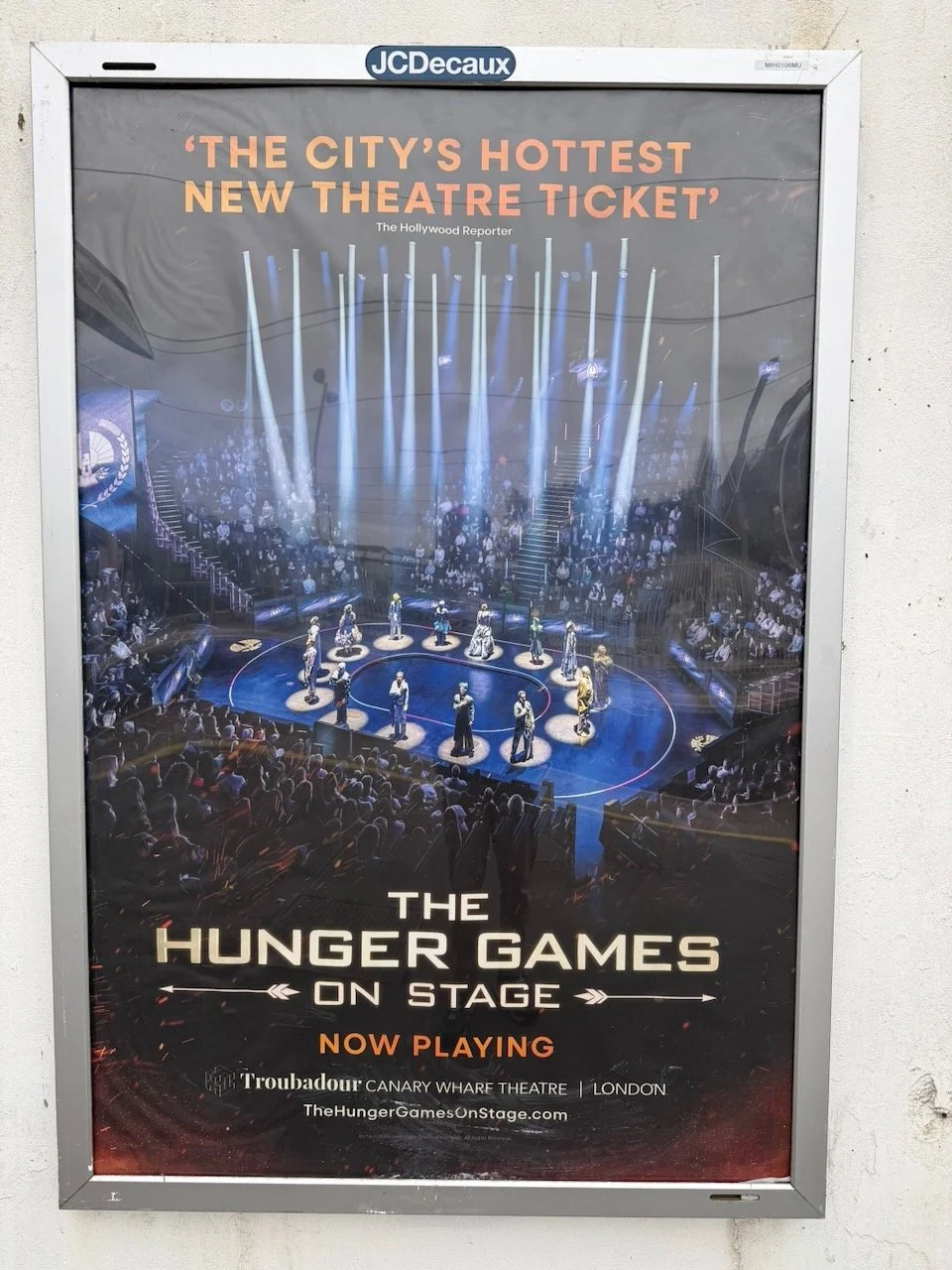
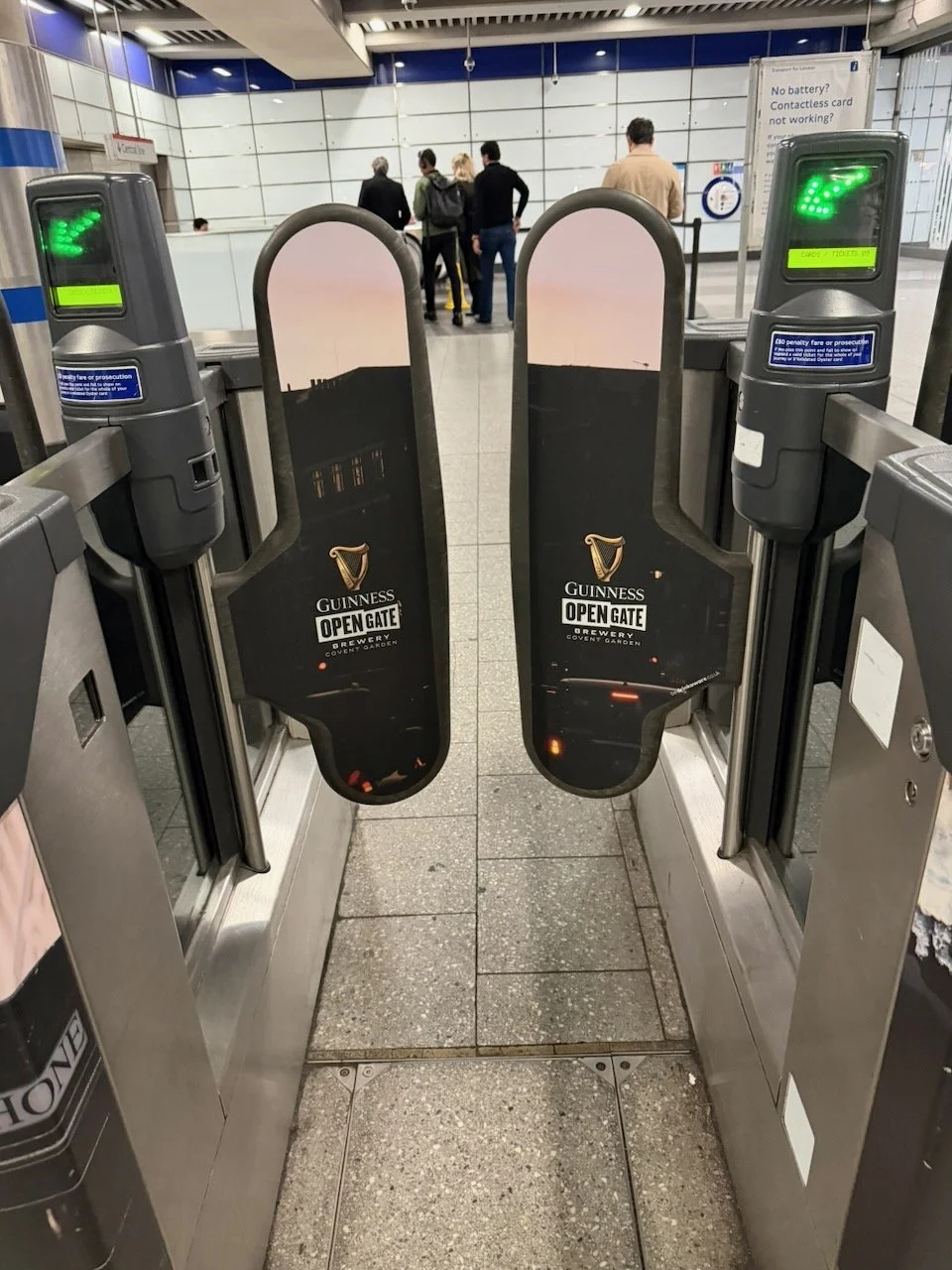
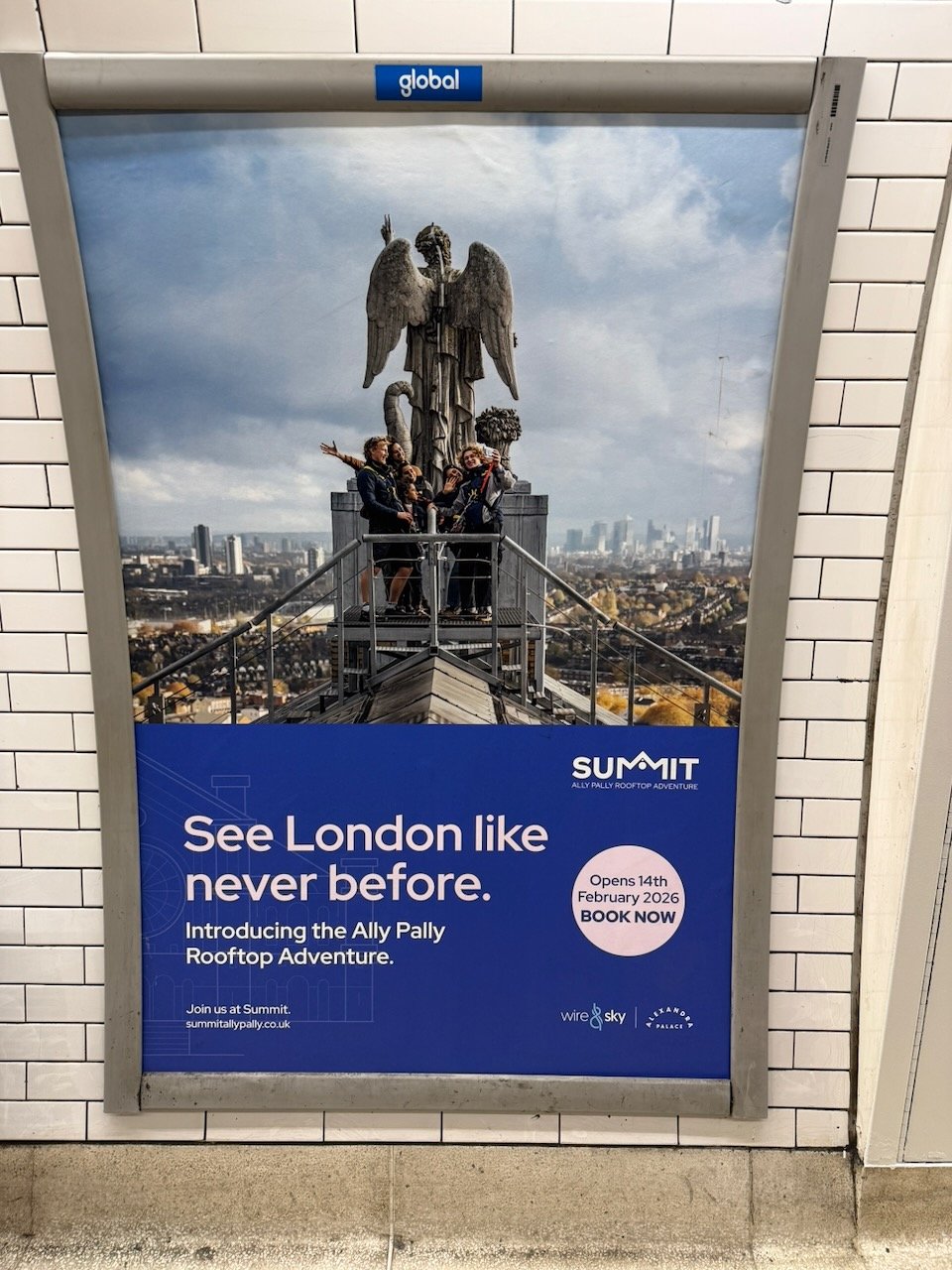
If you want to find out what’s new in London attractions, London Underground advertising is a good place to look. On my travels across the capital, I saw ads for Troudbadour’s new production of The Hunger Games in a purpose built Canary Wharf theatre, Summit Ally Pally Rooftop Adventure and Guinness Open Gate Brewery. Kudos to Guinness owner Diageo for the ticket gate takeover at Tottenham Court Road. This is the kind of clever media buy we don’t see very often any more, even though it’s arguably easily missable when you’re rushing to the tube.
Next time
As I said from the start, this exercise wasn’t remotely scientific. It isn’t worthy of a PhD and it certainly hasn’t been peer reviewed (but if you are an industry peer and you have a review, please please email me your feedback.) In spite of that I hope you found these observations useful.
If I was to do it again, maybe around the time of the Easter or Summer holidays, I would do my best to make it a much more comprehensive survey.
I’d select around 20 stations (maybe more) across different parts of London served by different lines. At each station I’d capture a photo of every advert on every platform. I’d also review different marketing channels too. What are the key cultural influencers saying? What are Time Out, Londonist and other listings sites recommending? What digital ads are running? I’m already excited about what insights this could reveal.
Post Script
This morning I wrote the text, uploaded it to the site then went out for the day planning to add in the images and publish when I was at home again in the afternoon. While I was out I saw another London Museum Docklands poster on the street in Hackney Wick. This time advertising half term family activites which of course I had to add to this blog.